In short
The 12-step program is a structured path of recovery from addiction based on admitting powerlessness over the substance, taking an honest look at one’s life, making amends for harm done, and mutual support in groups. It originated in the Alcoholics Anonymous fellowship and is now used for many different kinds of addiction. The program helps many people stay sober, especially when combined with medical treatment and psychotherapy, but it does not replace a doctor when it comes to withdrawal, mental health disorders, or physical illnesses.
Key points in one minute
- The 12 steps are a mutual-help program created by the Alcoholics Anonymous fellowship and adapted for other addictions.
- Its core ideas are admitting the problem, honesty with yourself, responsibility, making amends, and helping others.
- The program is free, anonymous, and built around groups and mentoring — sponsorship.
- It complements medical treatment and psychotherapy well, but does not replace detox or the treatment of mental health disorders.
- It doesn’t suit everyone: some people prefer secular support groups or individual psychotherapy, and that is perfectly fine.
What the 12-Step Program Is
The 12 steps are a set of principles and sequential actions that a person works through on the road to recovery from addiction. The program appeared in the United States in the 1930s within the Alcoholics Anonymous fellowship. Later it became the basis for Narcotics Anonymous, groups for people with gambling problems, groups for family members of people with addiction, and many others. Today these groups operate in many countries, including Kazakhstan.
The key idea is that addiction cannot be defeated by willpower alone, but a person can recover by relying on a community of people with similar experiences and on spiritual principles: honesty, openness, and willingness to change. Each person understands the program’s “higher power” in their own way: for some it is God within their own religion; for others it is the group, their conscience, or a sense of meaning in life. The program is not tied to any particular denomination.
What Are the 12 Steps? A Brief Summary
The steps are usually worked through in order, with the help of a mentor — a sponsor, meaning someone who has completed the program themselves and has stable sobriety. The pace is individual: some steps take weeks, others take months. Below is the meaning of the steps in our own words, without the canonical wording.
Why there are 12 steps but fewer items on this list
Here the steps are grouped by meaning: the last ones — daily self-examination, spiritual practice, and helping others — are combined into a single item. The fellowships use the official wording, which newcomers are introduced to at meetings and in the literature.
- Admit that you are powerless over your addiction and that your life has become unmanageable
- Come to believe that a power greater than yourself can help you recover
- Decide to entrust yourself to that power as you understand it
- Make an honest and fearless moral inventory of your life
- Admit your wrongs to yourself, to your higher power, and to another person
- Become ready to let go of your character defects and ask for help with this
- Make a list of the people you have harmed and become willing to make amends
- Make amends wherever possible, as long as doing so would not harm others
- Continue taking a personal inventory, admitting mistakes daily, and seek spiritual growth by helping others with addiction
| Aspect | 12 steps | Addiction psychotherapy |
|---|---|---|
| Who leads it | Fellowship members, a sponsor | A psychotherapist or psychologist |
| Basis | Peer experience, spiritual principles | Evidence-based methods |
| Cost | Free, voluntary contributions | Paid, or included in a treatment program |
| Format | Groups, mentoring | Individual, group, or with the family |
| Work with mental health disorders | Not provided | Possible, together with a psychiatrist |
| Duration | Open-ended, often years | A planned course, followed by support |
How the Program Works in Practice
The foundation of the program is regular meetings. Participants take turns sharing their experience, listening to others, and discussing topics related to the steps. Meetings can be open, where anyone interested may attend, or closed — only for people with an addiction. It is customary to give only your first name, without a surname, and what is said at a meeting stays there.
The second important element is sponsorship. A newcomer chooses a mentor who helps them work through the steps, supports them through difficult moments, and shares their own experience. The third element is service: helping to organize meetings and supporting newcomers. This gives a person a sense of being needed and of purpose, which in itself protects against relapse.
Anonymity
Anonymity is one of the central principles. Participants don’t reveal who attends meetings and don’t retell other people’s stories. This makes the groups a safe place for honest conversation.
Free of charge
The fellowships are supported by voluntary contributions from members and do not charge for participation. If someone is offering “paid 12 steps,” it may be a rehab center that uses the program in its work, not the fellowship itself.
Why the 12 Steps Help
The program’s mechanisms fit well with what is known about recovery. The group provides social support and a sober environment, which is one of the key protective factors. Regular meetings create structure and rhythm. Admitting the problem and being honest reduce the denial that is typical of addiction. Working through guilt and making amends help restore relationships and self-respect.
Research summarized in international reviews shows that engagement with mutual-help fellowships is associated with more lasting sobriety in alcohol dependence. Active participation is especially important: attending meetings, having a sponsor, and working the steps. Many clinical guidelines recommend that doctors inform patients about mutual-help groups and encourage them to take part.
Who the Program Is Right For and What Its Limitations Are
The program suits people for whom community matters, who value the spiritual dimension, and who relate to the idea of gradual personal work. It is especially helpful after inpatient treatment, when a person is returning to everyday life and needs regular support. For many, the groups become a reliable source of support for years.
There are limitations too. The program does not replace medical care: severe withdrawal requires detox under a doctor’s supervision, and depression, an anxiety disorder, bipolar disorder, or psychosis require treatment by a psychiatrist. Group members are sometimes advised to give up all medication, but this is wrong: treatment prescribed by a doctor must not be stopped on your own. Some people are put off by the spiritual language — secular support groups or individual psychotherapy may suit them better.
How the 12 Steps Differ from Psychotherapy
The 12-step program is peer mutual help, while psychotherapy is professional help from a specialist. In groups, people share personal experience; a psychotherapist uses methods with proven effectiveness: cognitive behavioral therapy, motivational interviewing, relapse prevention, and family therapy. A psychotherapist can work with trauma, anxiety, and relationship difficulties that lie beneath the addiction.
These approaches do not compete with each other. Many patients attend groups and see a psychotherapist at the same time. At the Narcology 24 clinic, elements of the 12-step program are used in rehabilitation alongside professional psychotherapy and medical supervision by an addiction doctor (narcologist) and a psychiatrist. Patients are told about mutual-help groups and helped to find a suitable one after discharge.
When to see a doctor
- When you try to stop drinking or using, you get tremors, sweating, insomnia, or anxiety
- You attend groups, but your cravings remain strong and you keep relapsing
- While sober, you have persistent low mood, apathy, or insomnia
- You are troubled by panic attacks, intrusive thoughts, or severe anxiety
- You are taking prescribed medication and are unsure whether to continue it
- Your loved one refuses treatment, and you want to understand how to help them
When urgent help is needed
A mutual-help group is no substitute for emergency care. If, after abruptly stopping drinking or drug use, a person develops seizures, confusion, or hallucinations, or shows signs of an overdose — loss of consciousness, slow breathing — call 103 or 112. If you have suicidal thoughts, reach out to a psychiatrist or someone close to you; for children and young people, the 150 helpline is available.
How Narcology 24 can help
Round-the-clock home visits, inpatient care and detox, coding, rehab and online consultations with an addiction doctor or psychiatrist. Confidential, with no registry entry.
- 12-step programfrom 12 000 ₸ · Online 24/7
- Alcohol rehabfrom 12 000 ₸ · Online 24/7
- Relapse preventionfrom 12 000 ₸ · Online 24/7
Questions and answers
Is the 12-step program a cult?
No. 12-step fellowships charge no fees, have no mandatory rules of conduct outside meetings, are not tied to any particular religion, and do not hold on to their members. A person can come and go at any time. Everyone understands the higher power in their own way. If a particular group demands money or total obedience, that is not in keeping with the program’s traditions.
Do I have to believe in God to work the 12 steps?
No. The program speaks of a “higher power as we understand it,” and many members see it as the group, their conscience, nature, or a set of principles. The fellowships include people of different faiths as well as non-believers. If the spiritual language gets in the way, you might look into secular support groups or individual psychotherapy.
How long does it take to work through the 12 steps?
There are no strict timeframes. The first steps are usually completed over several months, and the whole program may take a year or longer. The final steps — daily self-examination and helping others — become an ongoing practice. What matters is not speed but the depth and regularity of the work.
Do the 12 steps help with drug addiction?
Yes, the program has been adapted for different kinds of addiction, including drug addiction, and there are separate Narcotics Anonymous fellowships. With drug addiction it is especially important to combine groups with medical treatment: detox, supervision by an addiction doctor, and treatment of co-occurring mental health disorders.
Can I attend groups and be treated by a doctor at the same time?
Yes, and this is often the best option. Medical treatment relieves withdrawal and treats co-occurring disorders, psychotherapy helps you understand the underlying causes, and groups provide long-term support. Medication prescribed by a doctor must not be stopped on your own, even if someone at a group advises you to do without it.
Where can I find an Alcoholics Anonymous group?
Meeting schedules are usually published on the official resources of the Alcoholics Anonymous and Narcotics Anonymous fellowships in Kazakhstan. There are online meetings as well. Your doctor or psychotherapist can also tell you about groups. For your first visit, you can choose an open meeting, which newcomers also attend.
Does Narcology 24 use the 12-step program?
Yes, elements of the 12-step program are used in rehabilitation, but in combination with professional psychotherapy and medical supervision by an addiction doctor and a psychiatrist. Before discharge, we help the patient find a mutual-help group and continue outpatient or online support.
Sources and methodology
- ICD-10, World Health Organization
- Cochrane Review “Alcoholics Anonymous and other 12-step programs for alcohol use disorder”
- NICE guideline CG115 “Alcohol-use disorders: diagnosis, assessment and management of harmful drinking and alcohol dependence”
- WHO/UNODC International Standards for the Treatment of Drug Use Disorders
- Clinical protocols for diagnosis and treatment, Ministry of Health of the Republic of Kazakhstan
This article was prepared by the Narcology 24 medical editorial team and reviewed by a doctor. It is for reference only and does not replace a specialist consultation. Editorial policy
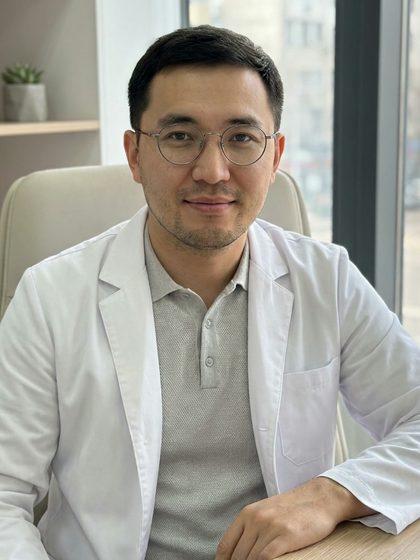
Medically reviewed by
Nurlan Isayev, MDAddiction psychiatrist · experience 10 yearsSynthetic stimulant and cannabis addiction, addiction in teenagers, gambling addiction and online follow-up.