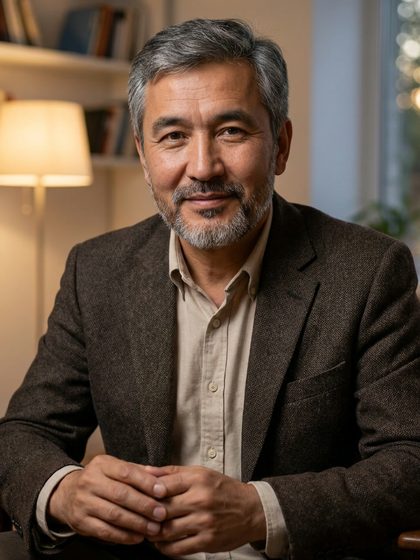
Reviewed byArman Magzhanov, MDPsychiatrist, experience 24 years · updated 8 Nov 2026
Key facts
- Who provides it
- A psychiatrist from the mobile home-visit service
- Where
- An apartment, private house or hotel — at the patient's address
- Duration
- Examination and interview 60–90 minutes, arrival within a few hours
- Anonymity
- No registry entry; documents are handled confidentially
- When it is urgent
- A suicide attempt, aggression or a threat to life — call 103 or 112 at once
- Outcome
- A medical conclusion, a home treatment plan or a recommendation for inpatient care
What you should know
A psychiatrist home visit is a full in-person examination carried out in surroundings familiar to the patient. The doctor assesses the person's mental status, any co-existing physical health problems, their living conditions and whether treatment at home is possible. For many people, being seen at home reduces anxiety and resistance: there is no need to travel to an unfamiliar facility, wait in line or explain the situation to strangers. This is especially important in severe depression, social anxiety and in older people.
A psychiatrist home visit in Semey is most often requested by relatives: the person has stopped leaving their room, has not slept for several days, voices strange ideas, refuses food or, on the contrary, has become agitated and confrontational. The doctor arrives, gets to know the patient, tries to build a trusting rapport and offers help. The clinic's psychiatrist does not use any coercive measures: treatment is provided with the patient's consent, and involuntary hospitalization is possible only under the procedure established by the law of the Republic of Kazakhstan.
When to Call a Psychiatrist to Your Home
- the person has barely slept for several days, is agitated or speaks incoherently
- they express ideas of being persecuted or hear voices that others do not hear
- deep depression: they won't get out of bed and refuse food and contact with others
- an elderly relative has become forgetful, confuses time and place, or behaves unusually
- severe anxiety or a phobia makes it impossible to leave home to see a doctor
- a sudden change in behavior after stress, childbirth, an injury or an illness
- the person refuses to go to a doctor but agrees to talk at home
If two or three points apply, it is worth seeing a doctor. Phone advice is free and confidential. If life is at risk, call 103 or 112.
What a Psychiatrist Home Visit Includes
The standard scope of a home visit: 1) a conversation with relatives to gather the history; 2) a conversation with the patient and an assessment of their mental status; 3) measuring blood pressure and pulse and a basic assessment of physical health; 4) an assessment of suicide risk and of any danger to others; 5) a preliminary conclusion based on ICD-10; 6) recommendations on treatment and monitoring; 7) if necessary, a decision on referral to inpatient care. All steps are carried out with the patient's informed consent.
A psychiatrist at home in Semey does not replace an inpatient workup if one is needed. The doctor explains which tests should be done and whether consultations with a neurologist, general practitioner or endocrinologist are required. If there are signs of a severe condition in which treatment at home is unsafe, the psychiatrist recommends hospital admission and helps to arrange it. If the person also has an addiction, a Narcology 24 addiction specialist (narcologist) can join the visit.
How a Psychiatrist Home Visit Works: Step by Step
The procedure: 1) a call to the dispatcher, who clarifies the complaints, age, address and whether there is any danger; 2) a short online conversation with a relative before the visit helps the doctor prepare and decide whether the visit is safe; 3) the doctor arrives, introduces themselves and talks first with the family and then with the patient; 4) examination and risk assessment; 5) recommendations and, if needed, a treatment prescription; 6) agreeing on a follow-up visit or online monitoring a few days later.
A psychiatrist home visit in Semey is not a substitute for emergency care. If the person has attempted suicide, is threatening others with a weapon, is violent, unconscious or severely intoxicated, call 103 or 112. Treatment at home is not appropriate in acute psychosis with dangerous behavior, refusal of food and water, or serious physical complications: in these cases inpatient care is needed.
How we help
Diagnostic examination
The doctor conducts a clinical interview, observes the patient's behavior, speech and thinking, and assesses orientation, memory and the person's insight into their condition. Use of medications, alcohol and other substances and any chronic illnesses are clarified separately. The outcome is a preliminary diagnosis, an assessment of severity and recommendations on where and how to continue treatment.
Prescribing and adjusting treatment
When indicated, the psychiatrist prescribes treatment from the appropriate drug classes: antidepressants, anxiolytics, mood stabilizers, antipsychotics or sleep medications. Medications are chosen with the patient's age, physical illnesses and drug interactions in mind. The doctor explains how to judge whether the treatment is working, which side effects are possible and when to call back.
Help when the person refuses treatment
If the patient does not accept that they are ill, the doctor works on motivation: they find out what bothers the person themselves — insomnia, conflicts, exhaustion — and offer help with exactly that. The clinic does not use force. Involuntary hospitalization is possible only on the grounds established by law and requires a subsequent court decision.
Arranging hospital admission
When the condition requires round-the-clock monitoring, the doctor explains why, discusses inpatient options and helps arrange the transfer. Relatives receive a list of the documents and belongings to bring. With the patient's consent, anonymous admission to the Narcology 24 inpatient unit is possible. Transport is agreed in advance at a time convenient for the family.
Myths and facts
MythThe psychiatrist will come and take the person to hospital against their will
FactThe clinic's psychiatrist does not use coercive measures. Under the Code of the Republic of Kazakhstan, psychiatric care is provided on a voluntary basis; exceptions are strictly limited by law and require a court decision. The purpose of the visit is to assess the person's condition and offer help.
MythIf you call a doctor to your home, the neighbors and your workplace will find out
FactThe doctor arrives in ordinary clothes in an ordinary car, with no psychiatric service markings. Information about the examination is protected by medical confidentiality and is not shared with third parties without the patient's consent, except in cases expressly specified by law.
MythA doctor can't make a diagnosis at home
FactAn in-person examination at home is comparable in scope to an appointment in the office. Tests and consultations with other specialists may be needed to confirm the diagnosis, but the initial assessment and the decision on how urgently help is needed are carried out in full.
How a home visit works
- Call or message usThe dispatcher answers 24/7 and in 3–5 minutes checks the person's condition, age, how long the drinking or use has lasted, chronic conditions and the address. No surname needed.
- The doctor sets offAn addiction doctor or psychiatrist comes with equipment and medication. Travel time depends on the district — usually within an hour. If inpatient care or an ambulance is needed, we'll say so straight away.
- Examination and treatmentBlood pressure, pulse, oxygen saturation, blood sugar if needed and a neurological check. Then an IV drip or other treatment as indicated, 1–3 hours.
- A plan for the next daysAdvice for the family on what to do overnight and tomorrow, phone follow-up and a repeat visit if needed.
- Further treatmentCoding, psychotherapy, rehab or psychiatric follow-up — once the acute state has passed and the person is ready.
Prices in Semey
| Online psychiatrist consultation | 13 500 ₸ |
| In-person psychiatrist consultation | 16 000 ₸ |
| Psychiatrist home visit | 36 000 ₸ |
| Phone advice | free |
The final cost is agreed before treatment starts. Prices are in tenge and do not constitute a public offer.
Where to get help
“Psychiatrist home visit” in Semey is available 24/7, including weekends. Home visits: all city districts and nearby settlements. For appointments, Narcology 24 has two branches: 149 Kutuzova St., office 6, Semey and 138 Krasina St., office 4, Semey. If you live elsewhere in Abai Region, call us and we'll advise the fastest way to get help.
Confidential and private
Information about your request, diagnosis and treatment is protected by medical confidentiality under the Code of the Republic of Kazakhstan “On Public Health and the Healthcare System”. We do not share it with employers, schools, the police or neighbours; the only exceptions are those expressly set by law. A first name is enough to call us, and paid confidential treatment does not mean a registry entry.
Questions and answers
How quickly will a psychiatrist come to my home?
Arrival time depends on the address and how busy the mobile service is — usually within a few hours. When you call, the dispatcher will clarify how urgent the situation is. If there is a threat to life, do not wait for the psychiatrist: call an ambulance on 103 or 112 straight away.
Can I call a psychiatrist if the person doesn't agree?
Relatives can call the doctor, but the examination is carried out with the patient's consent. The psychiatrist will try to build rapport and explain the purpose of the visit. If the person flatly refuses, the doctor will advise the family and explain which actions are permitted under the law of the Republic of Kazakhstan.
What should I prepare before the doctor arrives?
Documents and discharge summaries from previous treatment, the packaging of any medications being taken, and test results. Write down when and how the person's behavior changed and what came before the deterioration. Try to keep the environment calm, and if there is a risk of self-harm, put sharp objects and medications out of reach.
Does the psychiatrist visit elderly people at home?
Yes, a psychiatrist home visit in Semey is often needed for older patients with memory problems, confusion, insomnia or depression. The doctor takes co-existing illnesses and medications into account, assesses the risk of falls and drug interactions, and gives the family recommendations on care.
Will the person be put on the registry after a psychiatrist's visit?
No. With a paid anonymous visit, no dispensary registration is made. Medical records are kept at the clinic and protected by medical confidentiality. Exceptions to confidentiality are possible only in cases expressly provided for by the Code of the Republic of Kazakhstan “On Public Health and the Healthcare System”.
Can a psychiatrist and an addiction specialist visit together?
Yes. If a person has both an addiction and mental health symptoms, the visit can be joint or the specialists can come one after the other. This matters during a drinking binge accompanied by insomnia, anxiety or suspected psychosis: the narcologist and psychiatrist coordinate treatment so the medications do not conflict.
Where do doctors visit in Semey and where are the branches?
Home visits cover all city districts and nearby settlements, 24/7. Appointments at two branches: 149 Kutuzova St., office 6, Semey and 138 Krasina St., office 4, Semey. Phone in Semey: +7 (700) 309-30-65.
Sources and methodology
This page was prepared by the Narcology 24 medical editorial team based on:
- International Classification of Diseases ICD-10 and ICD-11, World Health Organization
- Clinical diagnosis and treatment protocols of the Ministry of Health of the Republic of Kazakhstan
- Code of the Republic of Kazakhstan “On Public Health and the Healthcare System”
- NICE (UK) guidelines on alcohol and drug misuse and mental health conditions
- WHO recommendations on the treatment of substance use disorders
This information is for reference only and does not replace a consultation with a specialist. Editorial policy