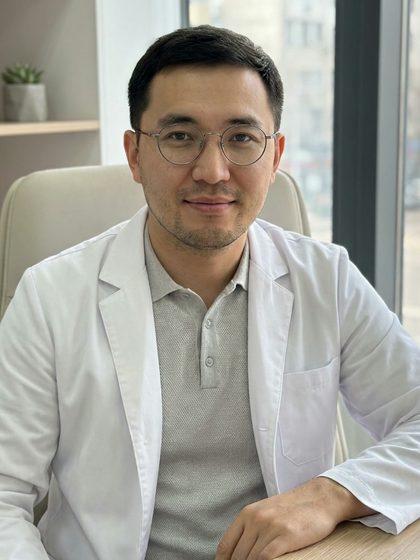
Reviewed byNurlan Isayev, MDAddiction psychiatrist, experience 10 years · updated 8 Nov 2026
Key facts
- ICD-10 code
- F10.2
- Who provides care
- an addiction doctor (narcologist), a psychiatrist, a psychotherapist, a psychologist, and chemical dependency counselors
- Where
- an inpatient rehab center, a day hospital, outpatient care, or online in Shymkent
- Duration
- the inpatient stage lasts from 28 days to 3–6 months, with aftercare for up to a year
- Anonymity
- treatment is provided on a paid, anonymous basis, with no entry in the state dispensary registry
- When it is urgent
- delirium, seizures, vomiting blood, chest pain, or suicidal thoughts — call 103 or 112
- Outcome
- stable sobriety, relapse prevention skills, and a restored family life and career
What you should know
Definition. Rehabilitation is systematic medical and psychosocial care for a person with alcohol dependence syndrome (F10.2 in ICD-10) after acute conditions have been resolved. While detox solves the task of stopping drinking safely, rehab answers the question of how to stay sober. The program includes psychotherapy, training in skills for coping with stress and cravings, restoring a daily routine and physical health, and work with the person's environment.
Rehab programs differ in format and intensity: inpatient, where the patient lives at the center; day hospital; outpatient, where the person keeps working and attends sessions; and online. The choice depends on the severity of the addiction, previous relapses, the situation at home, and co-existing conditions. Alcohol rehab in Shymkent at Narcology 24 is run by an addiction doctor, a psychiatrist, a psychotherapist, and counselors. The program follows the clinical protocols of the Ministry of Health of the Republic of Kazakhstan and international guidelines.
Who Needs Rehab
- after being brought out of a drinking binge, the person quickly returns to drinking
- there have been several courses of detox or “coding” without a lasting result
- alcohol has become the main way of coping with stress, anxiety, and insomnia
- drinking has led to job loss, broken relationships, and debts
- complications have developed: diseases of the liver, pancreas, or nervous system
- a strong craving for alcohol persists even after several weeks of sobriety
- conditions at home do not support sobriety: people who drink, conflicts
If two or three points apply, it is worth seeing a doctor. Phone advice is free and confidential. If life is at risk, call 103 or 112.
Why Detox Alone Is Not Enough
Detox eliminates withdrawal and intoxication, but it does not change the mechanisms of addiction: changes in the brain's reward system, habits associated with alcohol, beliefs, and emotional triggers. Cravings for alcohol persist for months and intensify in stressful situations. Without skills for coping with stress and cravings, a person often returns to drinking within the first weeks after discharge.
International guidelines, including NICE and WHO recommendations, state that psychosocial interventions are needed after detox, along with relapse prevention medication when indicated. Rehab also helps identify and treat co-occurring depression, anxiety disorders, and sleep problems, which often sustain drinking. The goal is not only to give up alcohol but to build a life in which there is no place for it.
How the Rehab Program Works
Stage 1 — a consultation, which can be held online: an assessment of the severity of the addiction, motivation, and co-existing conditions, and a choice of format. Stage 2 — detox at home or in an inpatient unit if the person is still drinking. Stage 3 — the main course: individual and group psychotherapy, relapse prevention sessions, restoring a daily routine, and physical activity. Stage 4 — preparing for discharge and a plan for returning home. Stage 5 — post-rehab aftercare.
Limitations. Outpatient or online rehab is not suitable for people with frequent severe binges, a history of delirium or seizures, no sober support at home, or marked mental health disturbances. In these cases, an inpatient stage is indicated. Rehab begins only after acute intoxication has been resolved. In case of delirium, seizures, vomiting blood, or suicidal thoughts, call 103 or 112.
How we help
Cognitive behavioral therapy
CBT is the leading psychotherapy method for alcohol addiction. The patient learns to recognize high-risk situations, notice thoughts that justify drinking, and use alternative ways of coping with emotions. Sessions are held individually and in groups. The method is part of the recommendations of international guidelines and clinical protocols.
Group therapy and the 12-step program
Group sessions provide an experience of support and feedback and reduce feelings of loneliness and shame. Rehab programs also use the 12-step model: the person becomes familiar with the principles of mutual support fellowships so they can keep attending groups after discharge. This widens the person's circle of sober support.
Relapse prevention medication
When indicated, the doctor may prescribe medications that reduce cravings for alcohol, such as opioid receptor antagonists or other drugs listed in international guidelines. Blockers, alcohol “coding” (a treatment widely used in Kazakhstan and CIS countries), and chemical protection are carried out only after an examination, the required period of sobriety, and written informed consent, as part of comprehensive treatment, with no promises that it will work “forever.”
Restoring health and family work
The program includes restoring sleep, nutrition, and physical activity, and treating complications affecting the liver and nervous system under a doctor's supervision. At the same time, work is done with the family: family meetings, consultations for loved ones, and discussion of house rules after the person returns home. This reduces the risk of relapse in the first months.
Myths and facts
MythRehab is only for severe cases
FactRehab is useful at any stage of addiction if a person returns to drinking after detox. The format is chosen according to severity: for moderate addiction, an outpatient or online program is enough.
MythGetting “coded” is easier and faster
Fact“Coding” can be part of comprehensive treatment, but it does not replace psychotherapy and does not address the reasons for drinking. Without rehab, the risk of returning to alcohol once the “coding” period ends remains high.
MythAfter rehab you can drink in moderation
FactOnce addiction has formed, controlled drinking is usually unachievable, and attempts to “drink just a little” often lead to relapse. That is why the goal of rehab is complete and lasting sobriety.
How a home visit works
- Call or message usThe dispatcher answers 24/7 and in 3–5 minutes checks the person's condition, age, how long the drinking or use has lasted, chronic conditions and the address. No surname needed.
- The doctor sets offAn addiction doctor or psychiatrist comes with equipment and medication. Travel time depends on the district — usually within an hour. If inpatient care or an ambulance is needed, we'll say so straight away.
- Examination and treatmentBlood pressure, pulse, oxygen saturation, blood sugar if needed and a neurological check. Then an IV drip or other treatment as indicated, 1–3 hours.
- A plan for the next daysAdvice for the family on what to do overnight and tomorrow, phone follow-up and a repeat visit if needed.
- Further treatmentCoding, psychotherapy, rehab or psychiatric follow-up — once the acute state has passed and the person is ready.
Prices in Shymkent
| Rehab programme consultation | 11 000 ₸ |
| Outpatient programme (one month) | 135 000 ₸ |
| Residential rehab (one month) | 360 000 ₸ |
| Phone advice | free |
The final cost is agreed before treatment starts. Prices are in tenge and do not constitute a public offer.
Where to get help
In shymkent you can get help at home, at one of our two branches (20 Madeli kozha St., office 30, Shymkent, 54 Baytursynova St., Shymkent) or online if you need a consultation rather than a procedure. The dispatcher answers 24/7 and will tell you straight away which option is safest.
Confidential and private
in Shymkent our doctor can come in ordinary clothes in an unmarked car. Treatment documents are given only to the patient. If you need a certificate or sick note, this is discussed separately and only at your request.
Questions and answers
How long does rehab last?
An inpatient course usually lasts from 28 days to 3–6 months, and an outpatient course lasts several months with sessions several times a week. After the main stage, aftercare for up to a year is recommended. The length is determined individually after an assessment of the person's condition.
Can I go through rehab while continuing to work?
Yes, there are outpatient and online formats for this: sessions take place in the evening or on weekends. They are suitable if the person's condition is stable, there are no severe binges, and there is sober support at home. The decision is made after a consultation with an addiction doctor.
Can a person be sent to rehab without their consent?
No. Rehab at Narcology 24 is provided only on a voluntary basis. Involuntary treatment is possible only by court decision, in accordance with the procedure established by Kazakhstan law. The family can get a consultation on how to motivate the person to undergo treatment.
Will I be put on a registry?
No. With paid anonymous treatment, you are not entered into the state dispensary registry. Information about your visit is protected by medical confidentiality under the Code of the Republic of Kazakhstan “On Public Health and the Healthcare System.” Exceptions are possible only in cases expressly provided for by law.
What should I bring to an inpatient center?
Bring an ID card or another document as agreed, a list of the medications you take and your medical records, comfortable clothes and shoes, and toiletries. The list of permitted items is confirmed on admission. Alcohol and psychoactive substances are prohibited at the center.
What should I do if a relapse happens after rehab?
A relapse does not mean that treatment was in vain. It is important to see a doctor or psychotherapist as soon as possible to assess the condition and, if necessary, carry out detox. The relapse prevention plan is then adjusted, and sometimes a repeat course is recommended.
Where do doctors visit in Shymkent and where are the branches?
Home visits cover all city districts and nearby settlements, 24/7. Appointments at two branches: 20 Madeli kozha St., office 30, Shymkent and 54 Baytursynova St., Shymkent. Phone in Shymkent: +7 (700) 309-30-65.
Sources and methodology
This page was prepared by the Narcology 24 medical editorial team based on:
- International Classification of Diseases ICD-10 and ICD-11, World Health Organization
- Clinical diagnosis and treatment protocols of the Ministry of Health of the Republic of Kazakhstan
- Code of the Republic of Kazakhstan “On Public Health and the Healthcare System”
- NICE (UK) guidelines on alcohol and drug misuse and mental health conditions
- WHO recommendations on the treatment of substance use disorders
This information is for reference only and does not replace a consultation with a specialist. Editorial policy