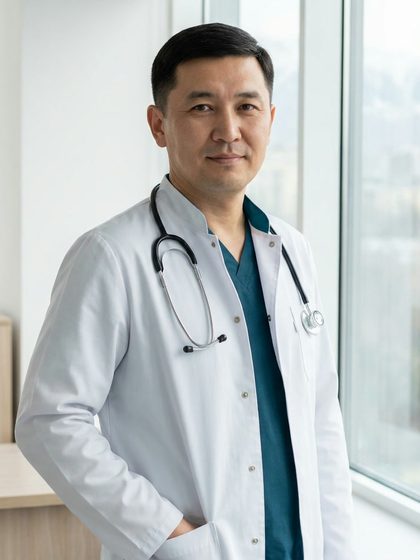
Reviewed byRinat Zhumabekov, MDAddiction psychiatrist, experience 21 years · updated 8 Nov 2026
Key facts
- ICD-10 code
- F12.2
- Who provides care
- an addiction doctor (narcologist), a psychiatrist if psychotic symptoms are present, followed by a psychotherapist and a psychologist
- Where
- at home in Yesik, on an outpatient basis, or in the clinic's inpatient unit; the initial consultation can be held online
- Duration
- detox takes 1–3 weeks; psychotherapy and rehabilitation last from 3 to 6 months
- Anonymity
- medical confidentiality under the Code of the Republic of Kazakhstan “On Public Health and the Healthcare System,” with no entry in the state dispensary registry
- When it is urgent
- seizures, loss of consciousness, chest pain, psychosis, or suicidal thoughts — call 103 or 112
- Outcome
- stable sobriety and recovery of sleep, concentration, and social activity
What you should know
Definition. Cannabis dependence syndrome is classified in ICD-10 under code F12.2. An addiction doctor (narcologist) makes the diagnosis if at least three of the following signs have been present over the past year: strong cravings, loss of control over the amount used, increasing tolerance, withdrawal symptoms, narrowing of interests, and continued use despite obvious harm. The group includes both plant-based cannabis products and synthetic cannabinoids, commonly known as spice.
Synthetic cannabinoids differ from plant-based cannabis in their unpredictable composition and much stronger effects. They are more often associated with acute psychosis, seizures, heart rhythm disturbances, and severe poisoning. That is why help for spice addiction in Yesik requires a more careful assessment of the patient's condition: Narcology 24 doctors start with an examination, a check of vital signs, and an evaluation of mental status, and then choose the treatment setting — outpatient, at home, or inpatient.
Signs of Cannabis Dependence
- use has become daily or almost daily, and the amount gradually increases
- without marijuana or spice, the person becomes irritable, anxious, and unable to sleep
- memory, concentration, and performance at school or work decline
- the person loses interest in former hobbies and in socializing outside the circle of other users
- attempts to cut down end with a return to the previous pattern of use
- episodes of panic, suspiciousness, or a feeling of being followed appear
- use continues despite family conflicts and legal risks
If two or three points apply, it is worth seeing a doctor. Phone advice is free and confidential. If life is at risk, call 103 or 112.
Why Cannabis Dependence Develops
Cannabinoids act on the brain's endocannabinoid system, which regulates mood, appetite, sleep, and the stress response. When these substances are supplied from outside on a regular basis, the brain's own regulation weakens: without the drug, a person sleeps worse, reacts more sharply to irritants, and feels empty inside. Synthetic cannabinoids bind to receptors more strongly than plant-based cannabis, so dependence on them develops faster and is more severe.
Risk factors are described in World Health Organization (WHO) guidance: starting use in adolescence, while the brain is still developing; a hereditary predisposition; anxiety and depressive disorders; ADHD; traumatic experiences; and a social circle in which drug use is seen as normal. Marijuana is often used as a way to cope with anxiety or insomnia, and this is exactly what reinforces the habit. That is why treatment targets not only stopping the substance but also the reasons behind its use.
How Treatment Works: Step by Step
Stage 1 — initial consultation. It can be held online: the doctor clarifies the substance, how long and how often it has been used, and any co-existing conditions, assesses the risks, and decides on the format of care. Stage 2 — an in-person examination at home or at the clinic: blood pressure, pulse, neurological and mental status, and lab tests if needed. Stage 3 — management of withdrawal symptoms and correction of sleep and anxiety. Stage 4 — psychotherapy and a relapse prevention plan. Family members can be involved from the very first stage.
Limitations. Home treatment is not provided in cases of psychotic symptoms (hallucinations, delusions, aggression), marked confusion, seizures, severe physical illness, combined use with alcohol or opioids, or any talk of suicide. In these cases, inpatient care is indicated. If there is a threat to life — seizures, loss of consciousness, chest pain, or an attempt at self-harm — call 103 or 112 immediately. Teenagers can get support from the 150 helpline.
How we help
Detox and withdrawal management
Cannabis withdrawal shows up as irritability, insomnia, reduced appetite, anxiety, and sweating; it peaks during the first 2–6 days. The doctor selects symptomatic treatment: IV detox solutions, B vitamins, and medications to normalize sleep. Medications are prescribed only after an examination and with contraindications taken into account. Taking sleeping pills or sedatives on your own is dangerous.
Cognitive behavioral therapy
According to international guidelines, CBT is the method with the strongest evidence base for cannabis dependence. The psychotherapist helps the patient recognize the situations, thoughts, and emotions that trigger cravings and develop alternative ways of responding. A course usually includes 10–20 sessions. Sessions can be held in person or by video call if the patient's condition is stable.
Motivational interviewing
Many patients do not consider marijuana a serious problem and doubt that they need treatment. Motivational interviewing is a structured conversation that helps a person weigh the gains and losses of using for themselves and put their own reasons for change into words. The method is combined with CBT and reduces the number of people who drop out of treatment.
Treatment of co-occurring disorders
A significant share of people with cannabis dependence also have an anxiety disorder, depression, ADHD, or sleep disorders. If these are left untreated, the risk of relapse remains high. A psychiatrist carries out the diagnosis and prescribes treatment if needed. A dual diagnosis is treated simultaneously, not one condition after the other.
Myths and facts
MythMarijuana is not addictive
FactThis is not true. Cannabis dependence syndrome is included in both ICD-10 and ICD-11. It involves loss of control, growing tolerance, and withdrawal symptoms. The risk is higher for those who started using as teenagers or who use every day.
MythSpice is just artificial marijuana
FactSynthetic cannabinoids are far more potent and toxic than plant-based cannabis. Their composition keeps changing, so the body's reaction cannot be predicted. Spice is more often linked to psychosis, seizures, and severe poisoning that requires intensive care.
MythYou can quit any time without help
FactSome people do stop using on their own. However, once dependence has formed, withdrawal symptoms, insomnia, and anxiety often lead to relapse in the first few weeks. Medical and psychotherapeutic support increases the chances of lasting sobriety.
How a home visit works
- Call or message usThe dispatcher answers 24/7 and in 3–5 minutes checks the person's condition, age, how long the drinking or use has lasted, chronic conditions and the address. No surname needed.
- The doctor sets offAn addiction doctor or psychiatrist comes with equipment and medication. Travel time depends on the district — usually within an hour. If inpatient care or an ambulance is needed, we'll say so straight away.
- Examination and treatmentBlood pressure, pulse, oxygen saturation, blood sugar if needed and a neurological check. Then an IV drip or other treatment as indicated, 1–3 hours.
- A plan for the next daysAdvice for the family on what to do overnight and tomorrow, phone follow-up and a repeat visit if needed.
- Further treatmentCoding, psychotherapy, rehab or psychiatric follow-up — once the acute state has passed and the person is ready.
Prices in Yesik
| Initial addiction doctor consultation | 9 500 ₸ |
| Inpatient detox (per day) | 28 000 ₸ |
| Psychotherapy course (8 sessions) | 77 000 ₸ |
| Phone advice | free |
The final cost is agreed before treatment starts. Prices are in tenge and do not constitute a public offer.
Where to get help
Narcology 24 in Yesik: our duty team makes home visits day and night, usually within an hour (all city districts and nearby settlements). Two branches for appointments and procedures — 125 Kamenskaya St., office 38, Yesik and 103 Zhambyla St., Yesik. When indicated, we arrange admission and transport.
Confidential and private
in Yesik our doctor can come in ordinary clothes in an unmarked car. Treatment documents are given only to the patient. If you need a certificate or sick note, this is discussed separately and only at your request.
Questions and answers
How long does marijuana withdrawal last?
Symptoms usually appear within the first 1–2 days after stopping, peak on days 2–6, and gradually fade over 2–3 weeks. Sleep problems and irritability may last longer. With synthetic cannabinoids, withdrawal can be more severe and requires medical supervision.
Will I be put on a registry?
No. With paid anonymous treatment at Narcology 24, you are not entered into the state dispensary registry. Information about your visit is protected by medical confidentiality under the Code of the Republic of Kazakhstan “On Public Health and the Healthcare System.” Disclosure is possible only in cases expressly provided for by law.
Can a teenager be treated?
Yes, with the consent of a legal representative, in accordance with the procedure established by Kazakhstan law. Family psychotherapy and work with the teenager's social circle are especially important. The first consultation for parents can be held online to discuss how to start the conversation and which steps to take.
What should I do if psychosis starts after using spice?
Hallucinations, delusions, severe agitation, or aggression after use require urgent help. Call 103 or 112, do not leave the person alone, and remove any dangerous objects. Do not give sedatives on your own: this can make the condition worse.
Does an online consultation help?
From anywhere in Yesik or abroad, you can get an initial assessment online, recommendations on the treatment format, a consultation for relatives, and psychotherapy sessions if your condition is stable. An examination, lab tests, IV drips, and treatment of psychotic symptoms require an in-person visit by a doctor or a hospital stay.
How common are relapses?
Relapses are common in cannabis dependence, especially in the first months. This does not mean that treatment is not working. A relapse prevention plan, regular sessions with a psychotherapist, and family support reduce the risk and help a person return to sobriety faster after an episode of use.
Where do doctors visit in Yesik and where are the branches?
Home visits cover all city districts and nearby settlements, 24/7. Appointments at two branches: 125 Kamenskaya St., office 38, Yesik and 103 Zhambyla St., Yesik. Phone in Yesik: +7 (700) 309-30-65.
Sources and methodology
This page was prepared by the Narcology 24 medical editorial team based on:
- International Classification of Diseases ICD-10 and ICD-11, World Health Organization
- Clinical diagnosis and treatment protocols of the Ministry of Health of the Republic of Kazakhstan
- Code of the Republic of Kazakhstan “On Public Health and the Healthcare System”
- NICE (UK) guidelines on alcohol and drug misuse and mental health conditions
- WHO recommendations on the treatment of substance use disorders
This information is for reference only and does not replace a consultation with a specialist. Editorial policy