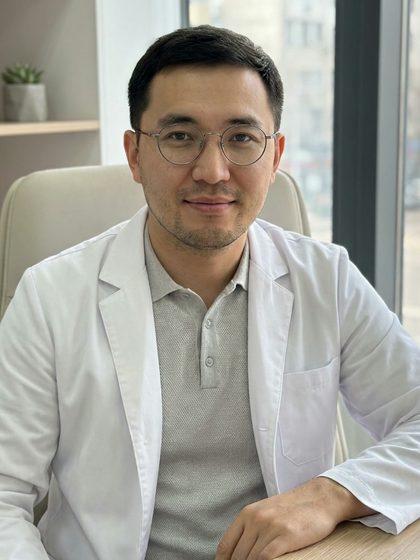
Reviewed byNurlan Isayev, MDAddiction psychiatrist, experience 10 years · updated 8 Nov 2026
Key facts
- ICD-10 code
- F19.2
- Who provides care
- an addiction doctor (narcologist) and a psychiatrist, followed by a psychotherapist, a psychologist, and a rehabilitation counselor
- Where
- detox mainly in an inpatient unit in Yesik, then on an outpatient basis or in a rehab program
- Duration
- detox takes 7–21 days; rehabilitation lasts from 3 months to a year
- Anonymity
- medical confidentiality and treatment with no entry in the state dispensary registry
- When it is urgent
- slow breathing, loss of consciousness, seizures, psychosis, or chest pain — call 103 or 112
- Outcome
- giving up all substances, stable mental health, and restored physical health and social connections
What you should know
Definition. Polysubstance dependence (ICD-10 code F19.2, dependence syndrome due to multiple drug use) is diagnosed when a person regularly uses two or more substances and the signs of dependence relate to their combination. This may mean taking them at the same time, switching between substances without a “main” one, or using one substance to soften the effects of another. Alcohol combined with drugs also falls into this category.
Combined use increases the toxic effect of each substance and changes the clinical picture. Withdrawal consists of several syndromes at once, and their symptoms mask one another. That is why treatment of polysubstance dependence in Yesik almost always begins with observation in an inpatient unit, where a doctor can monitor breathing, blood pressure, consciousness, and mental state around the clock. At Narcology 24, the program is run jointly by an addiction doctor and a psychiatrist, and a psychotherapist and a rehabilitation specialist join later.
Signs of Polysubstance Dependence
- the person uses several substances or replaces one with another when it is unavailable
- some substances are used to boost or soften the effects of others
- alcohol is regularly combined with drugs or sedative medications
- the person's state changes sharply and unpredictably, from agitation to sluggishness
- there have been episodes of overdose, loss of consciousness, or calls for an ambulance
- anxiety, suspiciousness, hallucinations, or depression have appeared
- attempts to stop using one substance lead to increased use of another
If two or three points apply, it is worth seeing a doctor. Phone advice is free and confidential. If life is at risk, call 103 or 112.
Why Polysubstance Dependence Develops
Most often, polysubstance dependence develops gradually. A person addicted to one substance starts using another to cope with withdrawal, insomnia, anxiety, or a “comedown.” For example, stimulants are combined with sedatives or alcohol, and opioids with tranquilizers. Each substance reinforces the need for the other, creating a vicious circle that is difficult to break on your own.
Risk factors include starting to use at an early age, mental health disorders (depression, anxiety, PTSD, ADHD, personality disorders), traumatic experiences, a lack of support, and a social circle in which using several substances is common. The WHO notes that combined use is associated with the highest risk of fatal overdose — especially combining opioids with alcohol or sedatives, which together suppress breathing.
How Polysubstance Dependence Is Treated
Step 1 — consultation: relatives are often the first to reach out, and the doctor can talk with them online to assess the situation and plan the next steps. Step 2 — an in-person examination and risk assessment. Step 3 — hospitalization and detox with a step-by-step withdrawal of the substances: the threat to life is addressed first, and the remaining symptoms are relieved afterward. Step 4 — assessment of the patient's mental state. Step 5 — psychotherapy, rehab, and a relapse prevention plan.
Limitations. Home detox for polysubstance dependence is rarely acceptable and only after an in-person assessment by a doctor. Contraindications include combining opioids with alcohol or sedatives, seizures, psychosis, severe physical illness, a recent overdose, and suicidal thoughts. If breathing slows, the lips turn bluish, the person loses consciousness, or seizures occur, call 103 or 112 immediately and stay with the person until the ambulance team arrives.
How we help
Inpatient detox
The doctor determines which substance poses the greatest threat and begins with the safe withdrawal of that substance first. IV detox solutions, B vitamins, liver-protecting drugs, and medications to stabilize blood pressure and sleep are used. Sedatives and opioid receptor antagonists are prescribed only by a doctor, taking into account all substances the patient has been using. The patient's condition is monitored around the clock.
Diagnosing a dual diagnosis
Most patients with polysubstance dependence have co-occurring mental health disorders. Once the acute phase is over, a psychiatrist carries out an assessment to distinguish the effects of substance use from an independent illness. If depression, an anxiety disorder, or PTSD is identified, its treatment is included in the program alongside addiction treatment.
Psychotherapy and rehab
Rehab is based on cognitive behavioral therapy, motivational interviewing, group work, and training in self-control skills. The program lasts at least three months and can be completed in an inpatient or outpatient format. The goal is sobriety from all substances, not replacing one with another.
Working with the family
Loved ones of a person with polysubstance dependence often live in constant fear of an overdose. Family counseling helps them understand how to talk about treatment, how to avoid unintentionally supporting substance use, and what to do in an emergency. Consultations for relatives can be held online, including before the person agrees to treatment.
Myths and facts
MythIt is enough to quit the “main” drug
FactIn polysubstance dependence, the addiction relates to the combination of substances. If you give up only one of them, the others often start being used more frequently. Lasting results are possible only with a program designed for sobriety from all psychoactive substances.
MythAlcohol is safer than drugs, so it can stay
FactAlcohol is a psychoactive substance that intensifies breathing suppression when combined with opioids and sedatives. Continuing to drink increases the risk of relapse and a return to drugs.
MythAn IV drip at home will solve the problem
FactDetox relieves the acute condition but does not treat the addiction itself. In polysubstance dependence, withdrawal carries increased risks, so it is more often carried out in an inpatient unit. After detox, psychotherapy and rehab are essential.
How a home visit works
- Call or message usThe dispatcher answers 24/7 and in 3–5 minutes checks the person's condition, age, how long the drinking or use has lasted, chronic conditions and the address. No surname needed.
- The doctor sets offAn addiction doctor or psychiatrist comes with equipment and medication. Travel time depends on the district — usually within an hour. If inpatient care or an ambulance is needed, we'll say so straight away.
- Examination and treatmentBlood pressure, pulse, oxygen saturation, blood sugar if needed and a neurological check. Then an IV drip or other treatment as indicated, 1–3 hours.
- A plan for the next daysAdvice for the family on what to do overnight and tomorrow, phone follow-up and a repeat visit if needed.
- Further treatmentCoding, psychotherapy, rehab or psychiatric follow-up — once the acute state has passed and the person is ready.
Prices in Yesik
| Initial addiction doctor consultation | 9 500 ₸ |
| Inpatient detox (per day) | 28 000 ₸ |
| Psychotherapy course (8 sessions) | 77 000 ₸ |
| Phone advice | free |
The final cost is agreed before treatment starts. Prices are in tenge and do not constitute a public offer.
Where to get help
Narcology 24 in Yesik: our duty team makes home visits day and night, usually within an hour (all city districts and nearby settlements). Two branches for appointments and procedures — 125 Kamenskaya St., office 38, Yesik and 103 Zhambyla St., Yesik. When indicated, we arrange admission and transport.
Confidential and private
Information about your request, diagnosis and treatment is protected by medical confidentiality under the Code of the Republic of Kazakhstan “On Public Health and the Healthcare System”. We do not share it with employers, schools, the police or neighbours; the only exceptions are those expressly set by law. A first name is enough to call us, and paid confidential treatment does not mean a registry entry.
Questions and answers
How is polysubstance dependence different from ordinary drug addiction?
In polysubstance dependence, addiction has formed to several substances or to their combination. This complicates withdrawal and increases the risk of overdose and mental health disturbances. Treatment must take all substances into account at the same time and is more often carried out in an inpatient unit.
How long does detox take?
Usually from 7 to 21 days. The length depends on the substances, how long they have been used, and the condition of the liver, heart, and nervous system. After detox, a person still experiences weakness, sleep problems, and mood swings for some time, so the psychotherapy stage begins right away.
Can a person be treated without their own consent?
No. Treatment at Narcology 24 is provided only on a voluntary basis, with informed consent. Involuntary treatment is possible only by court decision, in accordance with the procedure established by Kazakhstan law. The doctor will help the family prepare for the conversation and choose the right moment.
What should I do if I suspect an overdose?
Call 103 or 112. If the person is unconscious but breathing, lay them on their side, watch their breathing, and do not leave them alone. Do not give them anything to drink or try to bring them round with cold water. Tell the dispatcher everything you know about the substances that were used.
Will an online consultation help?
Online care works well for consulting relatives, for an initial assessment of the situation, and for follow-up support after a hospital stay. Detox, examinations, and treatment of acute conditions in polysubstance dependence require in-person medical care and, most often, hospitalization.
How likely is a relapse after treatment?
The risk of relapse in polysubstance dependence is high, especially in the first months. It is reduced by long-term rehab, regular sessions with a psychotherapist, treatment of co-occurring disorders, and family support. If a relapse happens, it is important to see a doctor right away rather than wait.
Where do doctors visit in Yesik and where are the branches?
Home visits cover all city districts and nearby settlements, 24/7. Appointments at two branches: 125 Kamenskaya St., office 38, Yesik and 103 Zhambyla St., Yesik. Phone in Yesik: +7 (700) 309-30-65.
Sources and methodology
This page was prepared by the Narcology 24 medical editorial team based on:
- International Classification of Diseases ICD-10 and ICD-11, World Health Organization
- Clinical diagnosis and treatment protocols of the Ministry of Health of the Republic of Kazakhstan
- Code of the Republic of Kazakhstan “On Public Health and the Healthcare System”
- NICE (UK) guidelines on alcohol and drug misuse and mental health conditions
- WHO recommendations on the treatment of substance use disorders
This information is for reference only and does not replace a consultation with a specialist. Editorial policy