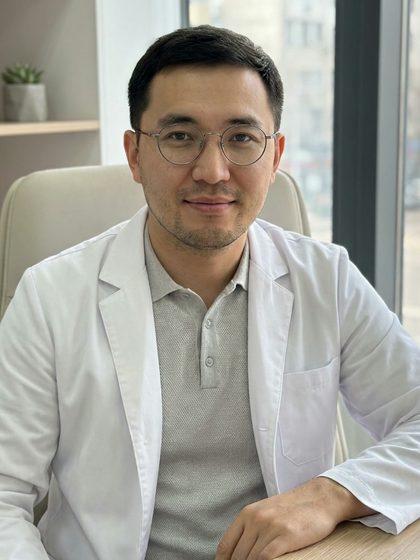
Reviewed byNurlan Isayev, MDAddiction psychiatrist, experience 10 years · updated 8 Nov 2026
Key facts
- ICD-10 code
- F11.2
- Who provides it
- A psychiatrist-narcologist, a psychotherapist, and inpatient medical staff; an infectious disease specialist when indicated
- Where
- Detox in the hospital; consultations and follow-up support at the clinic and online
- Duration
- Detox 7–14 days, relapse prevention therapy from 3–6 months, follow-up support at least a year
- Anonymity
- No documents and no registry monitoring, medical confidentiality under Kazakhstan law
- When it is urgent
- Slow breathing, bluish lips, pinpoint pupils, loss of consciousness — call 103 or 112 immediately
- Outcome
- Safely getting through withdrawal, a lower risk of relapse and overdose, and recovery
What you should know
Opioids act on the brain’s opioid receptors, which regulate pain, mood, and breathing. With regular use, tolerance and physical dependence develop quickly: without the substance, severe withdrawal sets in, and more and more is needed to get the same effect. The main danger is an overdose with depressed breathing, and the risk is especially high after a break in use, when opioids are combined with alcohol or sedatives, and when the composition of the substance is unknown.
At Narcology 24, opioid dependence is treated on a voluntary basis, according to the clinical protocols of the Ministry of Health of the Republic of Kazakhstan and WHO recommendations. The first step is an anonymous consultation with an addiction specialist in Zhezkazgan, in person or online: the doctor assesses how long the person has been using, the type of opioid, and any co-occurring illnesses and infections. Detox is usually carried out in the hospital, after which a relapse prevention program and psychotherapy are selected. The family can have a separate consultation in Zhezkazgan, including by video call.
Signs of Opioid Dependence
- an intense craving for opioids and constant thoughts about how to get the substance
- needing more and more of the substance to get the same effect
- during a break — aching muscles and joints, chills, a runny nose, yawning, diarrhea
- anxiety, insomnia, irritability, and dilated pupils during withdrawal
- taking opioid painkillers for longer and in larger amounts than the doctor prescribed
- losing interest in work, family, and hobbies; debts and conflicts
- repeated relapses after trying to stop on your own
If two or three points apply, it is worth seeing a doctor. Phone advice is free and confidential. If life is at risk, call 103 or 112.
Opioid Withdrawal and Its Risks
How withdrawal progresses, stage by stage: 1) with short-acting opioids, the first symptoms appear 8–24 hours after the last dose — anxiety, yawning, watery eyes, a runny nose, sweating; 2) the peak comes on days 2–3 — muscle and joint pain, chills, nausea, vomiting, diarrhea, insomnia; 3) acute symptoms subside within 5–10 days; 4) with long-acting opioids, withdrawal starts later and lasts longer. Sleep problems and cravings persist for weeks.
Opioid withdrawal itself is rarely life-threatening, but it is extremely distressing and often leads to relapse. The key risks: overdose after a period of abstinence because tolerance has dropped, dehydration from vomiting and diarrhea, depression and suicidal thoughts, infections from injecting drugs, and combining opioids with alcohol and sedatives. That is why detox in Zhezkazgan is carried out under a doctor’s supervision.
How Opioid Dependence Is Treated
Stages: 1) an anonymous consultation online or in person — assessment of the type of opioid, duration of use, and co-occurring illnesses; 2) testing — blood work, drug tests, HIV and hepatitis tests, and an ECG; 3) hospital admission and 7–14 days of detox with symptomatic treatment of pain, anxiety, and insomnia; 4) after the required period without opioids — relapse prevention therapy with opioid receptor antagonists when indicated and with written consent; 5) psychotherapy; 6) follow-up support at Narcology 24 for at least a year.
Home detox for opioid dependence is generally not provided — the risk of relapse and dangerous drug combinations is high. Therapy with opioid receptor antagonists must not be started before withdrawal is complete: doing so triggers sudden, severe withdrawal. If there are signs of an overdose — slow or absent breathing, bluish skin, pinpoint pupils, no response to your voice — call 103 or 112 immediately.
How we help
Inpatient detox
Under round-the-clock supervision, symptomatic therapy is provided: medications to reduce pain, anxiety, and insomnia, correction of dehydration and electrolytes, medications to relieve nausea and diarrhea, and vitamins. Strictly controlled drugs are used only as prescribed by a doctor. The hospital setting rules out access to substances and allows a quick response if the person’s condition worsens.
Opioid receptor antagonist therapy (opioid blockade)
After withdrawal is complete and it has been confirmed that there are no opioids left in the body, opioid receptor antagonists are prescribed when indicated. They block the effects of opioids and reduce the likelihood of returning to use. The method requires testing, written informed consent, and regular monitoring by a doctor, because sensitivity to opioids increases after therapy stops.
Psychotherapy and family work
Cognitive behavioral therapy, motivational interviewing, and contingency management help the person cope with cravings, build a daily routine, and avoid high-risk situations. Family therapy rebuilds trust and teaches loved ones to support sobriety without taking responsibility for the person’s choices.
Overdose and infection prevention
The person and their loved ones receive information about the signs of an overdose and what to do before the ambulance arrives. It is also explained why the risk of death from overdose rises sharply after a hospital stay or a break in use. Testing is carried out, and if HIV or viral hepatitis is detected, a referral for treatment is given.
Myths and facts
MythOpioid dependence cannot be cured
FactLasting remission is achievable with comprehensive, long-term treatment. WHO regards opioid dependence as a chronic disease in which timely medical care reduces mortality and allows people to return to a normal life.
MythAfter withdrawal, it is safe to use just once
FactAfter a break, tolerance drops, and the usual amount of the substance can cause a fatal overdose. The first weeks after detox or discharge are precisely the period of highest risk.
MythPainkillers from the pharmacy are not addictive
FactOpioid painkillers taken long-term or in amounts higher than prescribed by a doctor can cause the same dependence as illegal opioids. Their use should be discussed with a doctor, and they should not be stopped abruptly on your own.
How a home visit works
- Call or message usThe dispatcher answers 24/7 and in 3–5 minutes checks the person's condition, age, how long the drinking or use has lasted, chronic conditions and the address. No surname needed.
- The doctor sets offAn addiction doctor or psychiatrist comes with equipment and medication. Travel time depends on the district — usually within an hour. If inpatient care or an ambulance is needed, we'll say so straight away.
- Examination and treatmentBlood pressure, pulse, oxygen saturation, blood sugar if needed and a neurological check. Then an IV drip or other treatment as indicated, 1–3 hours.
- A plan for the next daysAdvice for the family on what to do overnight and tomorrow, phone follow-up and a repeat visit if needed.
- Further treatmentCoding, psychotherapy, rehab or psychiatric follow-up — once the acute state has passed and the person is ready.
Prices in Zhezkazgan
| Initial addiction doctor consultation | 9 500 ₸ |
| Inpatient detox (per day) | 28 000 ₸ |
| Psychotherapy course (8 sessions) | 77 000 ₸ |
| Phone advice | free |
The final cost is agreed before treatment starts. Prices are in tenge and do not constitute a public offer.
Where to get help
Narcology 24 in Zhezkazgan: our duty team makes home visits day and night, usually within an hour (all city districts and nearby settlements). Two branches for appointments and procedures — 104 Pushkina St., Zhezkazgan and 149 Alashakhana Ave., Zhezkazgan. When indicated, we arrange admission and transport.
Confidential and private
in Zhezkazgan our doctor can come in ordinary clothes in an unmarked car. Treatment documents are given only to the patient. If you need a certificate or sick note, this is discussed separately and only at your request.
Questions and answers
How long does opioid withdrawal last?
With short-acting opioids, acute symptoms usually last 5–10 days, peaking on days 2–3. With long-acting opioids, withdrawal lasts longer. Sleep problems, anxiety, and cravings can persist for several weeks, which is why treatment does not end with detox.
Can I go through detox at home?
For opioid dependence, inpatient detox is recommended: at home, the risk of relapse, dangerous drug combinations, and dehydration is higher. The doctor makes the decision after a consultation, taking into account the patient’s condition and living situation.
What should I do if someone stops breathing after using?
Call 103 or 112 immediately and follow the dispatcher’s instructions. If the person is breathing but unconscious, lay them on their side. Do not leave them alone, and do not try to revive them with cold water or other substances.
Is opioid substitution therapy available in Kazakhstan?
Opioid agonist maintenance therapy is recommended by WHO and, in Kazakhstan, is provided under a state program at authorized healthcare organizations. During the consultation, the addiction specialist will explain who it is suitable for and help compare treatment options.
Will I be put on the registry with anonymous treatment?
No. With paid anonymous treatment, your information is not passed on for registry monitoring. Medical confidentiality is protected by the Code of the Republic of Kazakhstan “On Public Health and the Healthcare System,” and disclosure is allowed only in cases expressly provided for by law.
How can I help a loved one with opioid dependence?
Have a consultation for relatives — online or in person. The specialist will explain how to talk about treatment without blame, how to recognize an overdose, and what to do before the ambulance arrives. Treatment is possible only on a voluntary basis, but you can support your loved one’s motivation.
Where do doctors visit in Zhezkazgan and where are the branches?
Home visits cover all city districts and nearby settlements, 24/7. Appointments at two branches: 104 Pushkina St., Zhezkazgan and 149 Alashakhana Ave., Zhezkazgan. Phone in Zhezkazgan: +7 (700) 309-30-65.
Sources and methodology
This page was prepared by the Narcology 24 medical editorial team based on:
- International Classification of Diseases ICD-10 and ICD-11, World Health Organization
- Clinical diagnosis and treatment protocols of the Ministry of Health of the Republic of Kazakhstan
- Code of the Republic of Kazakhstan “On Public Health and the Healthcare System”
- NICE (UK) guidelines on alcohol and drug misuse and mental health conditions
- WHO recommendations on the treatment of substance use disorders
This information is for reference only and does not replace a consultation with a specialist. Editorial policy