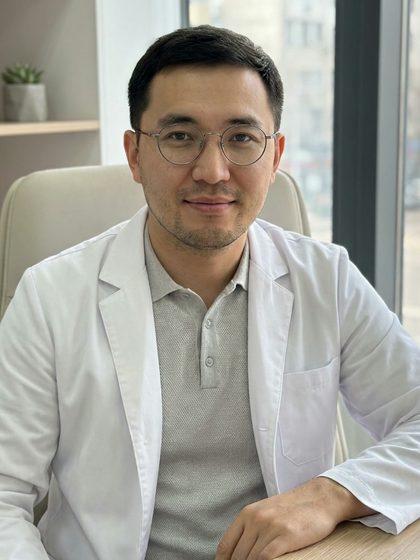
Reviewed byNurlan Isayev, MDAddiction psychiatrist, experience 10 years · updated 8 Nov 2026
Key facts
- ICD-10 code
- F11.2
- Who provides it
- Addiction medicine doctors (narcologists), a psychiatrist, a psychotherapist and the inpatient unit’s medical staff
- Where
- The clinic’s inpatient unit; initial examination at home; follow-up on an outpatient basis and online
- Duration
- Detox usually takes 7–14 days; relapse prevention treatment lasts at least 6–12 months
- Anonymity
- No surname needed if you prefer, no state dispensary registry, full medical confidentiality
- When it’s urgent
- Slow breathing, blue lips, pinpoint pupils, loss of consciousness — call 103 or 112
- Outcome
- Safe withdrawal, reduced cravings, and a program for remission and overdose protection
What you should know
Opioid withdrawal is visible from the doorway. A young man is wearing a jacket even though the apartment is warm; he is shivering, his nose is running, he keeps yawning, complains of aching legs and back and can’t lie still. His mother in Alatau district called us at two in the morning: her son has been without the drug for a second day, he is asking for money and promising it’s the last time. I examine him, measure his blood pressure and pulse, and ask what exactly he took, for how long and whether he has ever overdosed.
With opioids, the most dangerous thing isn’t withdrawal, agonizing as it is, but overdose — especially after a period of abstinence, when tolerance has dropped and the person goes back to their old dose. That is why I almost always suggest an inpatient stay: there, withdrawal can be managed safely, treatment selected and the person prepared for life without the drug. From Nauryzbay district or Otegen Batyr, we transport the patient ourselves, away from prying eyes, and I give the family clear instructions in case something goes wrong.
Signs of Opioid Dependence
- a strong craving for opioids and constant thoughts about where to get the drug
- when intoxicated — drowsiness, pinpoint pupils, slowed speech
- on stopping — chills, a runny nose, watery eyes, aching muscles and bones
- insomnia, anxiety, diarrhea and nausea within a few hours of stopping
- a rising dose, debts, money and valuables disappearing from the home
- using painkillers other than as prescribed or in large amounts
- past episodes of overdose or ambulance calls because of loss of consciousness
If two or three points apply, it is worth seeing a doctor. Phone advice is free and confidential. If life is at risk, call 103 or 112.
Why Opioid Dependence Is So Persistent
Opioids act on the brain’s opioid receptors, which regulate pain, pleasure and breathing. Tolerance builds quickly, and more and more of the substance is needed to get the same effect. Stopping triggers a severe withdrawal syndrome that the person tries to avoid by taking the drug again. In ICD-10 this is F11.2, and in ICD-11 it is 6C43.2. Dependence can also develop after long-term use of strong painkillers.
After detox, cravings persist for months, and the brain takes a long time to recover its ability to enjoy everyday life. That is why the risk of relapse is high, and the most dangerous time is the first few weeks after stopping, when tolerance is low. The World Health Organization (WHO) names opioid dependence as one of the leading causes of overdose deaths and recommends combining medication treatment with psychosocial support.
How Opioid Dependence Is Treated
The dispatcher will first ask about breathing, consciousness and lip color: if there are signs of overdose, call 103 or 112 immediately. If there is no danger, the doctor comes to the home or holds a video consultation, assesses the severity of withdrawal and suggests hospital admission. In the inpatient unit, detox is carried out with round-the-clock monitoring, along with a medical workup and a psychiatrist’s consultation. After that, relapse prevention therapy and psychotherapy begin.
Treating opioid withdrawal at home is risky: the temptation to take the drug and overdose is high. If breathing is slow or rasping, the lips turn blue, or there is loss of consciousness or seizures, call 103 or 112 immediately, lay the person on their side and don’t leave them alone. Opioid antagonists for relapse prevention are started only after complete detox; otherwise, a severe reaction can occur.
How we help
Detox and treatment of withdrawal
Under round-the-clock supervision, the doctor relieves withdrawal symptoms: pain, chills, insomnia, anxiety and digestive upset. Detoxification IV solutions, symptomatic medications, correction of electrolytes and sedatives (only when prescribed) are used. The goal is to get through withdrawal safely and without suffering, preserving strength and motivation for the next stages.
Relapse prevention therapy
After complete detox, the doctor may suggest opioid receptor antagonists — an opioid blockade: they block the effect of opioids, so using no longer makes sense. The decision is made after a medical workup and written informed consent. At the same time, insomnia, depression and anxiety are treated, as they often trigger relapse in the first months.
Psychotherapy and relapse prevention
The psychotherapist helps the person recognize triggers, cope with cravings, rebuild relationships and build a life without the drug. Cognitive behavioral therapy, motivational interviewing and group sessions are used. A safety plan is discussed separately: what to do in the event of a relapse and how to avoid an overdose after a period of sobriety.
Working with the family and rehab
The family learns to support remission without controlling every step, to recognize the signs of relapse and to know what to do in case of an overdose. Rehab helps the person return to work or studies and restore their daily routine and social circle. Regular sessions with a Narcology 24 doctor, including online, help maintain the result for months.
Myths and facts
MythWithdrawal is the most dangerous part of opioid dependence
FactWithdrawal is agonizing, but what is truly life-threatening is overdose, especially after a period of abstinence. That is why it is important to be treated under a doctor’s supervision and to have an action plan in case of relapse.
MythCravings disappear after detox
FactDetox relieves physical dependence, but cravings and changes in the brain persist for months. Without relapse prevention therapy and psychotherapy, the risk of relapse in the first few weeks is especially high.
MythIf a doctor prescribed the painkillers, there won’t be any dependence
FactLong-term use of strong opioid painkillers can lead to dependence. If the dose keeps having to be increased or you feel unwell without the medication, discuss this with your treating doctor and an addiction specialist.
How a home visit works
- Call or message usThe dispatcher answers 24/7 and in 3–5 minutes checks the person's condition, age, how long the drinking or use has lasted, chronic conditions and the address. No surname needed.
- The doctor sets offAn addiction doctor or psychiatrist comes with equipment and medication. Travel time depends on the district — usually within an hour. If inpatient care or an ambulance is needed, we'll say so straight away.
- Examination and treatmentBlood pressure, pulse, oxygen saturation, blood sugar if needed and a neurological check. Then an IV drip or other treatment as indicated, 1–3 hours.
- A plan for the next daysAdvice for the family on what to do overnight and tomorrow, phone follow-up and a repeat visit if needed.
- Further treatmentCoding, psychotherapy, rehab or psychiatric follow-up — once the acute state has passed and the person is ready.
Prices in Almaty
| Initial addiction doctor consultation | 12 000 ₸ |
| Inpatient detox (per day) | 35 000 ₸ |
| Psychotherapy course (8 sessions) | 96 000 ₸ |
| Phone advice | free |
The final cost is agreed before treatment starts. Prices are in tenge and do not constitute a public offer.
Where to get help
“Opioid addiction” in Almaty is available 24/7, including weekends. Home visits: all city districts and nearby settlements. For appointments, Narcology 24 has two branches: 84 Zhandosova St., Almaty and 21 Seyfullina Ave., office 11, Almaty. If you live elsewhere in Almaty and Almaty Region, call us and we'll advise the fastest way to get help.
Confidential and private
Information about your request, diagnosis and treatment is protected by medical confidentiality under the Code of the Republic of Kazakhstan “On Public Health and the Healthcare System”. We do not share it with employers, schools, the police or neighbours; the only exceptions are those expressly set by law. A first name is enough to call us, and paid confidential treatment does not mean a registry entry.
Questions and answers
How do I recognize an opioid overdose?
The signs: the person won’t wake up, their breathing is slow, shallow or rasping, their lips and nails turn blue, and their pupils are very small. Call 103 or 112 immediately, lay them on their side and watch their breathing. If breathing stops, start resuscitation following the dispatcher’s instructions.
How long does opioid withdrawal last?
Acute symptoms usually last from a few days to a week, depending on the substance. After that, insomnia, weakness, anxiety and cravings can persist for months. Under a doctor’s supervision, the acute phase is easier and safer, and after that relapse prevention support is needed.
Can I be treated anonymously as an inpatient?
Yes. Hospital admission is possible under a first name or a code, without giving your surname and without the state dispensary registry. Information about treatment is protected by medical confidentiality under the Code of the Republic of Kazakhstan “On Public Health and the Healthcare System”; exceptions are provided for only by law. The discharge summary and recommendations can be issued under the same name or code.
Why is the risk of overdose high after treatment?
During sobriety, tolerance drops, and a dose that used to be routine can turn out to be fatal. That is why it is important to know the signs of overdose, not to be alone in the event of a relapse and to call 103 or 112 right away. Relapse prevention therapy lowers this risk.
What should relatives do while a loved one is going through withdrawal?
Don’t give them money or look for the drug, and don’t give sleeping pills that weren’t prescribed. Offer water and warmth, and call a doctor. If confusion, seizures, a high fever or signs of overdose appear, call 103 or 112. Then discuss hospital admission with the doctor.
Do you come out at night and on holidays?
Yes, the team works around the clock, including public holidays. At night there is less traffic, and we get there faster. If the situation can’t wait, call 103 or 112, and then contact the Narcology 24 on-call doctor for further treatment.
Where do doctors visit in Almaty and where are the branches?
Home visits cover all city districts and nearby settlements, 24/7. Appointments at two branches: 84 Zhandosova St., Almaty and 21 Seyfullina Ave., office 11, Almaty. Phone in Almaty: +7 (700) 309-29-88.
Sources and methodology
This page was prepared by the Narcology 24 medical editorial team based on:
- International Classification of Diseases ICD-10 and ICD-11, World Health Organization
- Clinical diagnosis and treatment protocols of the Ministry of Health of the Republic of Kazakhstan
- Code of the Republic of Kazakhstan “On Public Health and the Healthcare System”
- NICE (UK) guidelines on alcohol and drug misuse and mental health conditions
- WHO recommendations on the treatment of substance use disorders
This information is for reference only and does not replace a consultation with a specialist. Editorial policy