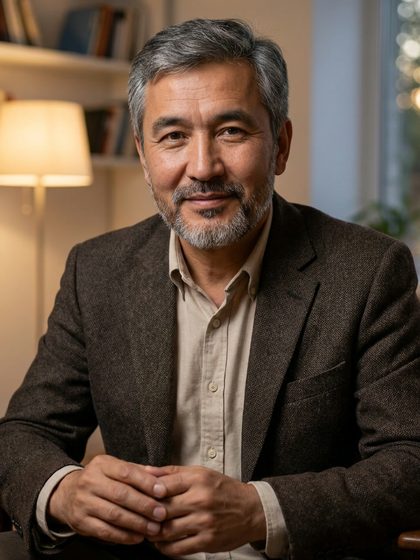
Reviewed byArman Magzhanov, MDPsychiatrist, experience 24 years · updated 8 Nov 2026
Key facts
- ICD-10 code
- F20
- Who provides care
- A psychiatrist, a psychotherapist, and rehabilitation specialists
- Where
- Home visits in Almaty and the suburbs, inpatient unit, outpatient follow-up
- Duration
- Acute phase 4–8 weeks, maintenance treatment for years
- Anonymity
- Paid treatment without dispensary registration
- When it’s urgent
- Aggression, voices ordering harm, refusing food and water — call 103
- Outcome
- Lasting remission, a return to studies, work, and social life
What you should know
A call from a mother on a holiday night: her son, twenty-two, hasn’t left his room for a second week, has taped over his webcam, and says the neighbors are reading his thoughts through the wall. Today he stopped eating, afraid the food is poisoned. The dispatcher calmly checks the essentials: is there aggression or a weapon, has he talked about suicide, does he use substances, has he been treated before? If there is no danger to others, the team heads out. At night, we reach the lower part of the city in 40–60 minutes.
In the apartment, I don’t argue with the delusions or try to convince him that the neighbors can’t hear anything. That is pointless and destroys trust. I say that he probably hasn’t slept for a long time and is very tired, that he feels anxious, and offer to help with that. Most often we manage to reach an agreement. Then, together with the family, we decide where it is safer to be treated: at home under supervision or in the inpatient unit. A first episode is almost always better treated in a hospital, where a full examination can be done.
Signs of schizophrenia and an approaching relapse
- voices commenting on the person’s actions or giving orders, visions
- a conviction of being watched or persecuted, or that ordinary events have special meaning
- strange, incoherent speech that makes it hard to follow the person’s thoughts
- a sharp drop in school or work performance and loss of interest in studies, work, and friends
- neglecting hygiene and food, shutting oneself in a room, staying awake at night
- emotional coldness, indifference to loved ones, inappropriate laughter
- in someone already diagnosed — disturbed sleep, anxiety, returning suspiciousness
If two or three points apply, it is worth seeing a doctor. Phone advice is free and confidential. If life is at risk, call 103 or 112.
What causes schizophrenia
Schizophrenia develops from a combination of hereditary predisposition and features of brain development. The risk is higher if close relatives have had the illness, but many people with schizophrenia have no such history. The illness usually begins in adolescence or young adulthood. The first signs of psychosis are often preceded by a prodromal period: months of declining school performance, withdrawal, odd interests, and disturbed sleep.
The onset can be triggered or the course worsened by cannabis and stimulant use, especially in adolescence, as well as severe stress and lack of sleep. Relapses most often occur after stopping medication on one’s own. Importantly, schizophrenia is not caused by bad parenting or weakness of character. It is a brain disorder that is treated, and the earlier treatment starts, the better the outlook.
How care for schizophrenia works: from the first call to remission
During a relapse, the family calls the dispatcher and the team heads out — to the Turksib or Bostandyk district, to Kaskelen, or to Otegen Batyr. The doctor talks with the patient and family, assesses the risks, and, with consent, begins treatment on the spot. Have discharge summaries, a list of medications, and information about past hospitalizations ready. If the person’s condition allows, treatment continues at home with daily contact; for a first episode or severe psychosis, inpatient care is recommended. After stabilization, follow-up takes place every 2–4 weeks, with some appointments online.
The patient cannot be left at home if voices order them to harm themselves or others, or if there is aggression, a weapon, suicide attempts, refusal of food and water, or a severe physical condition. Call 103 or 112, and the police in case of aggression. Involuntary hospitalization is carried out only on the grounds and under the procedure established by the law of the Republic of Kazakhstan; a private team does not take anyone away by force.
How we help
Treating psychosis
Antipsychotics are the basis of treatment. The medication is chosen based on symptoms, age, other illnesses, past treatment experience, and side effects. The effect on delusions and hallucinations usually develops over several weeks. In the acute phase, medications for sleep and anxiety may also be prescribed, strictly as directed by the psychiatrist.
Maintenance treatment
After a relapse resolves, treatment continues to prevent new episodes. According to NICE and WHO guidelines, after a first episode treatment usually continues for at least 1–2 years, and longer after repeated episodes. Long-acting injectable forms given once every few weeks are an option. The Narcology 24 psychiatrist monitors weight, blood tests, and side effects.
Psychosocial rehabilitation
Medications relieve acute symptoms, but returning to everyday life requires rehabilitation. Psychotherapy helps cope with residual symptoms, social skills training helps restore communication, and a gradual return to studies or work brings back confidence. This stage takes months and is done in person or online.
Working with the family
According to international guidelines, family psychoeducation reduces the number of relapses. Loved ones learn how the illness works, how to communicate without criticism or arguing with delusions, and which early signs of relapse to watch for: insomnia, suspiciousness, refusing medication. The family gets the on-call psychiatrist’s number in case things get worse at any time of day or night.
Myths and facts
MythPeople with schizophrenia are dangerous
FactMost people with schizophrenia are not aggressive and are far more likely to become victims of violence themselves. The risk of aggression rises without treatment and with substance use. Regular treatment reduces it.
MythSchizophrenia is a split personality
FactSplit personality is a separate and rare disorder. In schizophrenia, thinking and the perception of reality are disrupted: delusions, hallucinations, disorganization. Confusing the two only increases stigma.
MythSchizophrenia is incurable, so treatment is pointless
FactSchizophrenia is a chronic disorder, but many patients achieve lasting remission, study, work, and live with their families. Early and regular treatment noticeably improves the outlook. It’s important not to interrupt treatment.
How a home visit works
- Call or message usThe dispatcher answers 24/7 and in 3–5 minutes checks the person's condition, age, how long the drinking or use has lasted, chronic conditions and the address. No surname needed.
- The doctor sets offAn addiction doctor or psychiatrist comes with equipment and medication. Travel time depends on the district — usually within an hour. If inpatient care or an ambulance is needed, we'll say so straight away.
- Examination and treatmentBlood pressure, pulse, oxygen saturation, blood sugar if needed and a neurological check. Then an IV drip or other treatment as indicated, 1–3 hours.
- A plan for the next daysAdvice for the family on what to do overnight and tomorrow, phone follow-up and a repeat visit if needed.
- Further treatmentCoding, psychotherapy, rehab or psychiatric follow-up — once the acute state has passed and the person is ready.
Prices in Almaty
| Psychiatrist consultation | 15 000 ₸ |
| Psychiatrist home visit | 40 000 ₸ |
| Family consultation | 15 000 ₸ |
| Phone advice | free |
The final cost is agreed before treatment starts. Prices are in tenge and do not constitute a public offer.
Where to get help
“Schizophrenia treatment” in Almaty is available 24/7, including weekends. Home visits: all city districts and nearby settlements. For appointments, Narcology 24 has two branches: 84 Zhandosova St., Almaty and 21 Seyfullina Ave., office 11, Almaty. If you live elsewhere in Almaty and Almaty Region, call us and we'll advise the fastest way to get help.
Confidential and private
Information about your request, diagnosis and treatment is protected by medical confidentiality under the Code of the Republic of Kazakhstan “On Public Health and the Healthcare System”. We do not share it with employers, schools, the police or neighbours; the only exceptions are those expressly set by law. A first name is enough to call us, and paid confidential treatment does not mean a registry entry.
Questions and answers
How can I tell if a loved one is developing schizophrenia?
Warning signs include months of declining performance at school or work, withdrawal, strange ideas, and disturbed sleep, followed by voices, suspiciousness, and incoherent speech. The person often doesn’t believe they are ill. Start with a psychiatrist consultation for the family — by video or in person.
Is hospitalization always necessary?
Not always. For a first episode and severe psychosis, inpatient care is usually safer: an examination can be carried out there and treatment selected faster. During a relapse in someone with a known diagnosis, if they agree to treatment and the family can provide supervision, treatment at home is possible.
What if the person refuses to take medication?
Find out why: often it is side effects that can be reduced by switching medication. Discuss long-acting injectable forms with the psychiatrist. Don’t hide medication in food without the doctor’s knowledge. Compulsory treatment is possible only by court decision under the procedure established by the law of the Republic of Kazakhstan.
How long does treatment take?
After a first episode, maintenance treatment usually continues for at least 1–2 years, and longer after repeated episodes, sometimes for many years. A decision to reduce the dose is made together with the doctor during stable remission, gradually and under supervision. Stopping on your own often leads to a relapse.
Can follow-up be anonymous?
Yes, paid treatment at Narcology 24 is provided without dispensary registration, and the information is protected by medical confidentiality under the Code of the Republic of Kazakhstan “On Public Health and the Healthcare System.” However, some official documents and certificates require you to present an ID.
How can the family avoid burnout?
Don’t try to cope alone. Share responsibilities with other relatives, make time to rest, and get a consultation with a psychotherapist for yourself. Understanding the illness reduces anxiety. The on-call psychiatrist is available around the clock — call at any sign that things are getting worse.
Where do doctors visit in Almaty and where are the branches?
Home visits cover all city districts and nearby settlements, 24/7. Appointments at two branches: 84 Zhandosova St., Almaty and 21 Seyfullina Ave., office 11, Almaty. Phone in Almaty: +7 (700) 309-29-88.
Sources and methodology
This page was prepared by the Narcology 24 medical editorial team based on:
- International Classification of Diseases ICD-10 and ICD-11, World Health Organization
- Clinical diagnosis and treatment protocols of the Ministry of Health of the Republic of Kazakhstan
- Code of the Republic of Kazakhstan “On Public Health and the Healthcare System”
- NICE (UK) guidelines on alcohol and drug misuse and mental health conditions
- WHO recommendations on the treatment of substance use disorders
This information is for reference only and does not replace a consultation with a specialist. Editorial policy