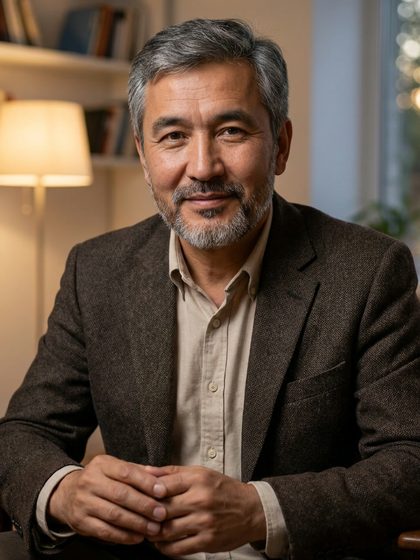
Reviewed byArman Magzhanov, MDPsychiatrist, experience 24 years · updated 8 Nov 2026
Key facts
- ICD-10 code
- F20
- Who conducts it
- A psychiatrist; a psychotherapist works with the patient and the family
- Where
- Home visits, the clinic, online follow-up, and inpatient care during a relapse
- Duration
- Bringing a relapse under control takes weeks; maintenance treatment is long-term, for years
- Anonymity
- Anonymous treatment with no registration at the state dispensary, under medical confidentiality
- When it's urgent
- Aggression, threats, suicidal thoughts, or refusal of food and water — call 103 or 112
- Outcome
- Milder symptoms, stable remission, and a return to study, work, and social life
What you should know
For the family, the illness often begins unnoticed. A son at university gradually drops out, stops seeing friends, and spends hours in his room; then he says the neighbors are reading his thoughts through the wall or that the TV is broadcasting messages meant especially for him. At first the family puts it down to adolescence, fatigue, or the influence of friends, and only when frightening statements or strange behavior appear do they realize that a psychiatrist's help is needed.
Schizophrenia is a serious but treatable illness, and the family's role in recovery is enormous. In Astana, many patients live with their parents, while adult children often work far away — in another district or city — and it is important that all relatives understand the treatment plan the same way. A Narcology 24 psychiatrist makes home visits, follows the patient throughout treatment, and explains to the family how to talk with the person, how to notice signs of a relapse, and when to call the doctor.
Signs That Mean the Family Should See a Psychiatrist
- the person is convinced they are being watched, persecuted, or that someone wants to harm them
- they hear voices that comment on their actions or give them orders
- they say their thoughts are being taken away or put into their head from outside
- their speech becomes hard to follow, and they jump from topic to topic without any connection
- they shut themselves off from people and stop washing, eating, or leaving their room
- their emotions have become flat, and they are indifferent to loved ones and events
- they behave strangely: cover the windows with foil, unplug appliances, or hide
If two or three points apply, it is worth seeing a doctor. Phone advice is free and confidential. If life is at risk, call 103 or 112.
Why Schizophrenia Develops
Schizophrenia develops from a combination of inherited predisposition and other factors: features of brain development, complications during pregnancy and childbirth, stress, and use of psychoactive substances, especially cannabinoids in adolescence and young adulthood. The illness most often begins in the teenage years or early adulthood. It is not caused by poor upbringing, and parents are not to blame for their child becoming ill.
The course is different for everyone: some people have one or two episodes with good recovery, while others have repeated relapses. The risk of relapse is increased by stopping treatment without the doctor, using alcohol and drugs, stress, lack of sleep, and tense family relationships. That is why, according to NICE guidelines, help for the family is an essential part of treatment, not an optional extra.
How Schizophrenia Treatment Works
Often the first step is a video consultation for relatives: the doctor finds out what is happening, for how long, and whether there is a threat to the person or others. When symptoms are pronounced, the psychiatrist makes a home visit, conducts an examination, and decides whether outpatient treatment is possible or inpatient care is needed. Antipsychotic therapy is then selected, and regular appointments, online monitoring, and family sessions are arranged. The goal is stable remission and a return to everyday life.
Treatment at home is not possible if the person is aggressive, hears voices ordering them to cause harm, talks about suicide, refuses food and water, or has completely lost touch with reality. Call 103 or 112. Involuntary hospitalization is possible only by court decision; the clinic does not take people away by force. In winter in Astana, it is dangerous if a person in a relapse leaves home without warm clothing — search for them urgently and call for help.
How we help
Diagnosis
The psychiatrist makes the diagnosis using ICD-10 and ICD-11 criteria after careful observation, ruling out psychoses caused by substances or by neurological and physical illnesses. Lab tests and other investigations may be required. A diagnosis is not made after a single conversation: the history of how the symptoms developed is important, and relatives know it best.
Antipsychotic therapy
Treatment is based on antipsychotics. The doctor selects the medication and dosage individually and monitors effectiveness and side effects. For some patients, long-acting forms are convenient. Treatment usually continues for a long time, and stopping it without the doctor is the most common cause of relapse — something the family should know.
Psychosocial support
Psychotherapy helps the person cope with residual symptoms and rebuild skills for communication, study, work, and everyday life. International guidelines recommend cognitive behavioral approaches for schizophrenia. The clinic's psychotherapist works with the patient at their own pace, respecting their views and not arguing with delusional ideas.
Family sessions
Relatives learn about the illness and learn to speak calmly, without criticism or pressure, and to recognize early signs of relapse: disturbed sleep, withdrawal, suspiciousness. A Narcology 24 psychotherapist helps reduce tension at home, share the load, and not neglect your own health. Family work lowers the risk of repeat hospitalizations.
Myths and facts
MythPeople with schizophrenia are dangerous
FactMost people with schizophrenia are not aggressive and are much more likely to become victims of violence themselves. The risk increases without treatment and with alcohol or drug use, so timely therapy matters for everyone.
MythSchizophrenia is incurable, so treatment is pointless
FactSchizophrenia is a chronic illness, but with modern treatment many people achieve long-term remission, study, work, and start families. The earlier treatment begins, the better the outlook.
MythYou need to argue with delusions to change the person's mind
FactArguing about delusional ideas doesn't help and increases mistrust. It is better to acknowledge the person's feelings — “I can see you're scared” — and gently support treatment, neither agreeing with the delusion nor trying to disprove it.
How a home visit works
- Call or message usThe dispatcher answers 24/7 and in 3–5 minutes checks the person's condition, age, how long the drinking or use has lasted, chronic conditions and the address. No surname needed.
- The doctor sets offAn addiction doctor or psychiatrist comes with equipment and medication. Travel time depends on the district — usually within an hour. If inpatient care or an ambulance is needed, we'll say so straight away.
- Examination and treatmentBlood pressure, pulse, oxygen saturation, blood sugar if needed and a neurological check. Then an IV drip or other treatment as indicated, 1–3 hours.
- A plan for the next daysAdvice for the family on what to do overnight and tomorrow, phone follow-up and a repeat visit if needed.
- Further treatmentCoding, psychotherapy, rehab or psychiatric follow-up — once the acute state has passed and the person is ready.
Prices in Astana
| Psychiatrist consultation | 15 000 ₸ |
| Psychiatrist home visit | 40 000 ₸ |
| Family consultation | 15 000 ₸ |
| Phone advice | free |
The final cost is agreed before treatment starts. Prices are in tenge and do not constitute a public offer.
Where to get help
“Schizophrenia treatment” in Astana is available 24/7, including weekends. Home visits: all city districts and nearby settlements. For appointments, Narcology 24 has two branches: 6 Auezova St., office 37, Astana and 176 Imanova St., Astana. If you live elsewhere in Astana and Akmola Region, call us and we'll advise the fastest way to get help.
Confidential and private
Information about your request, diagnosis and treatment is protected by medical confidentiality under the Code of the Republic of Kazakhstan “On Public Health and the Healthcare System”. We do not share it with employers, schools, the police or neighbours; the only exceptions are those expressly set by law. A first name is enough to call us, and paid confidential treatment does not mean a registry entry.
Questions and answers
How should I talk to a person who hears voices?
Speak calmly, in simple sentences. Don't argue about whether the voices are real, and don't make fun of them. Ask what they are feeling and how you can help. If the voices are ordering them to harm themselves or others, call 103 or 112 immediately.
What should I do if my loved one refuses treatment?
Don't pressure or threaten them. Talk about what matters to them: sleep, peace of mind, the chance to study or work. Book a consultation for yourself: the doctor will help you find the right words. Treatment without consent is possible only by court decision in the manner established by law.
How can I tell that a relapse is starting?
Early signs are individual, but they often include disturbed sleep, growing anxiety, suspiciousness, withdrawal, and refusing medication. Make a list of these signs with the doctor and report them right away: early intervention helps avoid hospitalization.
Can a person with schizophrenia live on their own?
Many people in a stable condition live independently, work, and study. It depends on the severity of the illness, the person's skills, and the support available. The doctor and psychotherapist will help assess readiness and gradually prepare the person for independent living.
How important is it to avoid alcohol and drugs?
Very important. Alcohol, and especially cannabinoids and stimulants, increase the risk of relapse and reduce the effect of treatment. If your loved one uses substances, tell the doctor: joint help from a psychiatrist and an addiction medicine specialist may be needed. This helps maintain remission.
Where can relatives find support?
Caring for a loved one with schizophrenia takes a lot of strength. Psychologist consultations for the family, education, and communication with the doctor help you cope with anxiety and fatigue. It is important to keep your own time, sleep, and social circle and not to hesitate to ask other relatives for help.
Where do doctors visit in Astana and where are the branches?
Home visits cover all city districts and nearby settlements, 24/7. Appointments at two branches: 6 Auezova St., office 37, Astana and 176 Imanova St., Astana. Phone in Astana: +7 (700) 309-30-17.
Sources and methodology
This page was prepared by the Narcology 24 medical editorial team based on:
- International Classification of Diseases ICD-10 and ICD-11, World Health Organization
- Clinical diagnosis and treatment protocols of the Ministry of Health of the Republic of Kazakhstan
- Code of the Republic of Kazakhstan “On Public Health and the Healthcare System”
- NICE (UK) guidelines on alcohol and drug misuse and mental health conditions
- WHO recommendations on the treatment of substance use disorders
This information is for reference only and does not replace a consultation with a specialist. Editorial policy