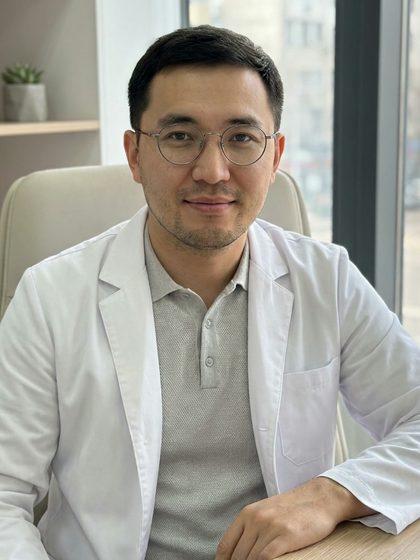
Reviewed byNurlan Isayev, MDAddiction psychiatrist, experience 10 years · updated 8 Nov 2026
Key facts
- ICD-10 code
- F11–F19
- Who provides it
- An addiction doctor, a psychiatrist, a psychotherapist, and inpatient nurses
- Where
- In an inpatient unit, on an outpatient basis, and online consultations for the family
- Duration
- Detox — from several days to 2 weeks; recovery — months
- Anonymity
- No registry; medical confidentiality under the Code of the Republic of Kazakhstan “On Public Health”
- When it is urgent
- Overdose, psychosis, seizures, loss of consciousness — call 103 or 112
- Outcome
- A safe way out of the acute condition and a substance-free program
What you should know
For parents, spouses, and siblings, discovering that a loved one is using drugs is a shock. At first you cannot believe it, then come fear, anger, shame, and the urge to fix everything at once. Many start searching the room, taking away the phone, locking the person in at home. This is a natural reaction, but it rarely helps. Drug addiction is a disease that requires medical care, and it is important for the family to act thoughtfully, not only on emotion.
In Astana, as in other large cities, the use of synthetic substances ordered online is becoming more and more common. This makes the situation less visible and more dangerous: the composition is unknown, and the risk of overdose and psychosis is high. Narcology 24 specialists help the family figure out how urgent the situation is, what form of treatment is needed, and how to behave at home so as not to lose contact with the loved one. A consultation is available at any time of the day or night.
Signs That May Point to Drug Use
- sudden swings in mood and activity for no apparent reason
- unusually dilated or constricted pupils, red eyes, frequent sniffing
- sleepless nights followed by long sleep, appetite changes, weight loss
- money and valuables going missing, debts, constant requests for help
- secrecy, new acquaintances, absences at night, courier deliveries
- suspiciousness, fears, strange statements, aggression
- injection marks, long sleeves in hot weather, unknown pills and powders
If two or three points apply, it is worth seeing a doctor. Phone advice is free and confidential. If life is at risk, call 103 or 112.
How Drug Addiction Develops — and What the Family Needs to Know
Psychoactive substances interfere with the brain systems responsible for pleasure, motivation, and control. Over time, the person needs more and more of the substance, and without it, withdrawal, anxiety, and depression appear. Dependence develops differently depending on the substance: with opioids, the physical component is strong; with stimulants, it is the psychological component and the risk of psychosis. That is why the treatment approach is chosen individually.
The family cannot cure addiction by force, but it can influence readiness for treatment. Control and punishment often lead to lying and leaving home. Working with relatives helps develop a position: do not fund the drug use, maintain contact, and offer help at the right time. It is also important to take care of safety at home, especially if there are children or elderly relatives.
How Drug Addiction Treatment Works
It usually all starts with a consultation for relatives or for the person themselves, including online. The doctor assesses the substance, how long it has been used, the risks, and the person’s mental state, and proposes a format. With pronounced withdrawal or psychosis, hospital admission is needed, where detox is carried out under supervision. Then come tests, treatment of co-occurring disorders, psychotherapy, and rehab, while the family takes part in separate sessions and receives a plan.
Drug addiction treatment at home is possible only in limited cases and after an in-person assessment by a doctor. Inpatient care is needed for opioid withdrawal, use of several substances, psychosis, suicidal thoughts, and serious illnesses. Signs of an overdose — slow breathing, bluish skin, no response, seizures — are a reason to call 103 or 112 immediately. Do not try to cope on your own.
How we help
Inpatient detox
Under doctors’ supervision, withdrawal symptoms are relieved, and sleep, nutrition, and fluid balance are restored. Detoxifying solutions, vitamins, and medications for symptomatic treatment are used as prescribed. For opioid dependence, methods recommended by clinical protocols are used. Detox is the first stage, which must always be followed by further treatment.
Treatment of mental health problems
Drugs often cause anxiety, depression, psychosis, and sleep disorders. A Narcology 24 psychiatrist assesses the condition and selects treatment that is compatible with the program. In dual diagnosis — a combination of addiction and a mental disorder — coordinated work between the addiction doctor and the psychiatrist is needed; otherwise, the risk of relapse and deterioration is high.
Psychotherapy and rehab
Cognitive behavioral therapy, motivational interviewing, and group work help the person understand what triggers their drug use and learn to live without the substance. Rehab restores skills, routine, and relationships and brings the person back to school or work. This is the longest but most important stage, and it determines how lasting the result will be.
Family support
Relatives attend consultations and sessions with a psychotherapist: how to behave after discharge, how to respond to cravings and relapse, how to rebuild trust. Safety is discussed separately: storing medications, knowing the signs of an overdose, what to do before the ambulance arrives. The family becomes part of the treatment, not its warden.
Myths and facts
MythDrug addiction cannot be cured
FactMany people recover and live without the substance for years. Addiction is a chronic disease that requires long-term support, but it is not a life sentence. Comprehensive treatment and the family’s involvement are what matter.
MythCleansing the body is enough
FactDetox removes physical dependence but does not change behavior, habits, or social circle. Without psychotherapy and rehab, most people return to drug use. Treatment is a process, not a single procedure.
MythHe needs to be sent to a rehab center by force
FactA private clinic cannot hospitalize a person against their will. Involuntary treatment is possible only by court decision in the procedure established by the law of the Republic of Kazakhstan. Motivational work with the family often leads to voluntary consent.
How a home visit works
- Call or message usThe dispatcher answers 24/7 and in 3–5 minutes checks the person's condition, age, how long the drinking or use has lasted, chronic conditions and the address. No surname needed.
- The doctor sets offAn addiction doctor or psychiatrist comes with equipment and medication. Travel time depends on the district — usually within an hour. If inpatient care or an ambulance is needed, we'll say so straight away.
- Examination and treatmentBlood pressure, pulse, oxygen saturation, blood sugar if needed and a neurological check. Then an IV drip or other treatment as indicated, 1–3 hours.
- A plan for the next daysAdvice for the family on what to do overnight and tomorrow, phone follow-up and a repeat visit if needed.
- Further treatmentCoding, psychotherapy, rehab or psychiatric follow-up — once the acute state has passed and the person is ready.
Prices in Astana
| Initial addiction doctor consultation | 12 000 ₸ |
| Inpatient detox (per day) | 35 000 ₸ |
| Psychotherapy course (8 sessions) | 96 000 ₸ |
| Phone advice | free |
The final cost is agreed before treatment starts. Prices are in tenge and do not constitute a public offer.
Where to get help
“Drug addiction treatment” in Astana is available 24/7, including weekends. Home visits: all city districts and nearby settlements. For appointments, Narcology 24 has two branches: 6 Auezova St., office 37, Astana and 176 Imanova St., Astana. If you live elsewhere in Astana and Akmola Region, call us and we'll advise the fastest way to get help.
Confidential and private
Information about your request, diagnosis and treatment is protected by medical confidentiality under the Code of the Republic of Kazakhstan “On Public Health and the Healthcare System”. We do not share it with employers, schools, the police or neighbours; the only exceptions are those expressly set by law. A first name is enough to call us, and paid confidential treatment does not mean a registry entry.
Questions and answers
How can I tell that the situation is urgent?
It is urgent if the person is unconscious, breathing slowly, turning blue, or having seizures, delusions, or severe aggression, or if they talk about suicide. In these cases, call 103 or 112 immediately. If the condition is stable, start with a consultation with an addiction doctor to calmly choose the right form of help.
How long does treatment take?
Detox takes from several days to two weeks, depending on the substance. Then comes treatment of mental health problems and psychotherapy over several weeks. Rehab and follow-up care can continue for months. The timeline is individual, and the doctor explains it to the family in advance.
What should we do if he refuses treatment?
Do not make threats or stage raids. Start with a consultation for relatives: the specialist will help you choose a strategy that increases the chances of consent. Maintain contact, do not fund the drug use, and take care of yourself. Compulsory treatment is possible only by court decision.
Do we need to report it to the police?
Seeking treatment at a clinic does not require reporting to the police, and the clinic does not pass on information about its patients. If there is a threat of violence, involvement of minors, or a crime, contacting the police is your right. The specialist will help you assess the situation.
How can we support the person after discharge?
Help them establish a routine, find activities, and stay in touch with the doctor and psychotherapist. Do not control every minute, but do not ignore warning signs, either. Discuss a plan in case of cravings. Remember that in Astana in winter, a person outdoors in an altered state is at risk of hypothermia. Continue your own work with a psychotherapist — it supports the whole family.
Can I get treatment anonymously in Astana?
Yes, treatment at our clinic is provided on a paid, anonymous basis, without registration with the state dispensary. Information is protected by medical confidentiality under the Code of the Republic of Kazakhstan “On Public Health and the Healthcare System.” Exceptions are possible only in cases expressly provided for by law.
Where do doctors visit in Astana and where are the branches?
Home visits cover all city districts and nearby settlements, 24/7. Appointments at two branches: 6 Auezova St., office 37, Astana and 176 Imanova St., Astana. Phone in Astana: +7 (700) 309-30-17.
Sources and methodology
This page was prepared by the Narcology 24 medical editorial team based on:
- International Classification of Diseases ICD-10 and ICD-11, World Health Organization
- Clinical diagnosis and treatment protocols of the Ministry of Health of the Republic of Kazakhstan
- Code of the Republic of Kazakhstan “On Public Health and the Healthcare System”
- NICE (UK) guidelines on alcohol and drug misuse and mental health conditions
- WHO recommendations on the treatment of substance use disorders
This information is for reference only and does not replace a consultation with a specialist. Editorial policy